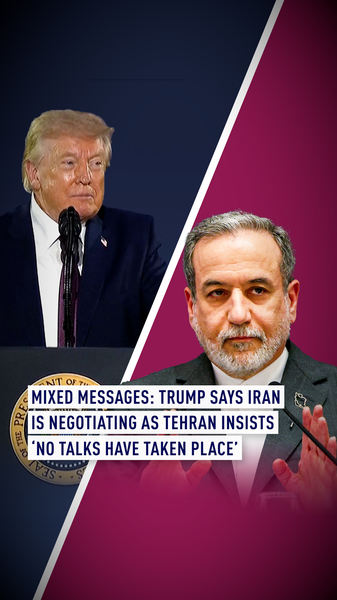
Conflicting statements from Iran and the United States over potential negotiations have intensified regional instability, as Tehran's missile strikes on Israel and retaliatory actions dominate global attention. Iranian Foreign Minister Hossein Amir-Abdollahian stated on March 27 that while Iran is reviewing a U.S. proposal, it has "no intention of holding talks to wind down the war." This directly contradicts U.S. President Joe Biden's assertion that negotiations are already underway.
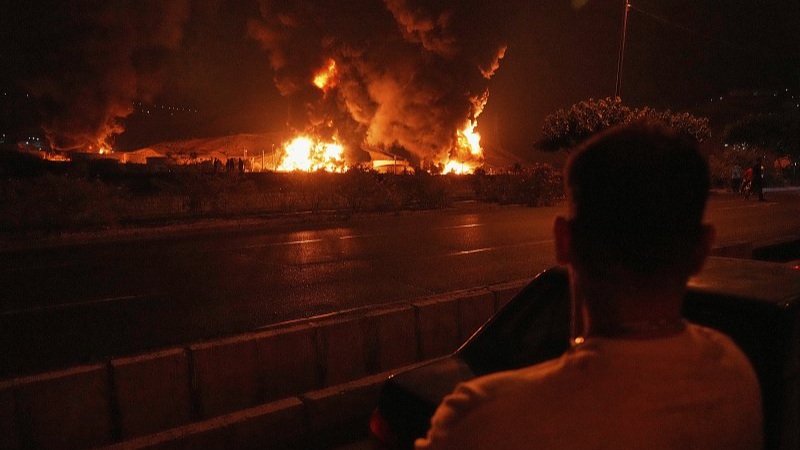
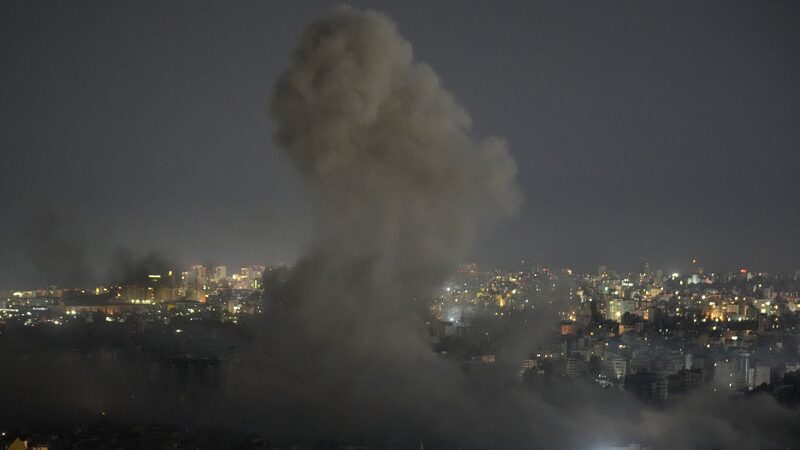
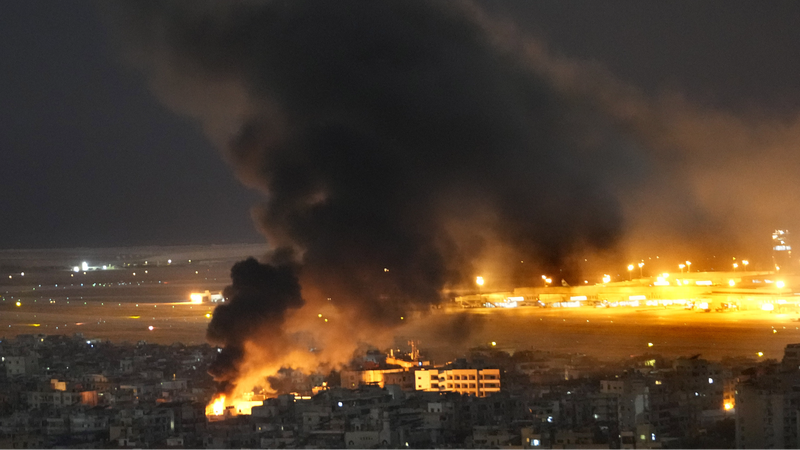
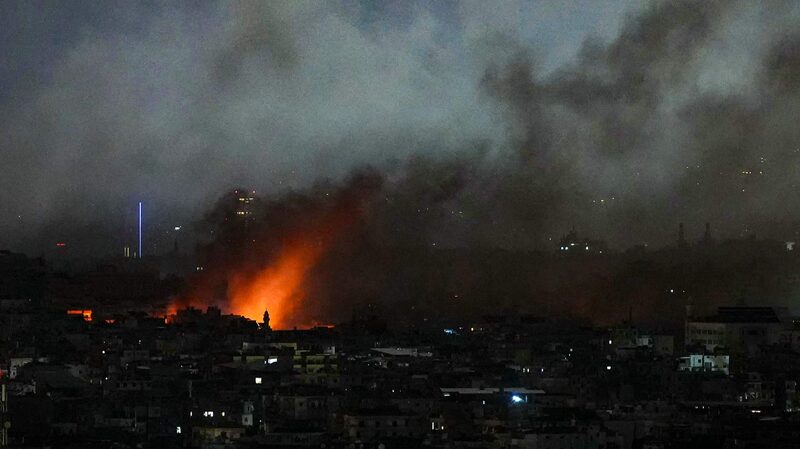
The situation escalated overnight as Iran launched multiple missile waves targeting Tel Aviv and other areas, injuring at least five people. Israel confirmed retaliatory strikes, including one that killed Alireza Tangsiri, commander of the Iranian Revolutionary Guards' navy. Cross-border tensions with Lebanon deepened after Hezbollah dismissed potential negotiations with Israel as "surrender," while Israeli officials claimed to have established a "security zone" in southern Lebanon.
China reiterated its call for de-escalation, with a Foreign Ministry spokesperson emphasizing that "a drawn-out conflict serves no one's interests." The statement urged all parties to prioritize diplomatic solutions amid rising energy prices and market volatility. Brent crude oil prices remained above $100 per barrel this week, with analysts warning of prolonged economic impacts across Asia.
South Korea announced a $17 billion supplementary budget to address wartime preparedness and energy costs, while six Gulf states jointly demanded Iraq curb attacks by Iran-aligned groups operating from its territory. Russia denied reports of impending drone shipments to Iran, calling them "baseless lies."
As global markets react to the crisis, business leaders are closely monitoring shipping routes through the Strait of Hormuz, where 20% of the world's oil passes daily. The Asian diaspora community has expressed heightened concern for relatives in conflict zones, with humanitarian organizations reporting increased requests for emergency aid coordination.