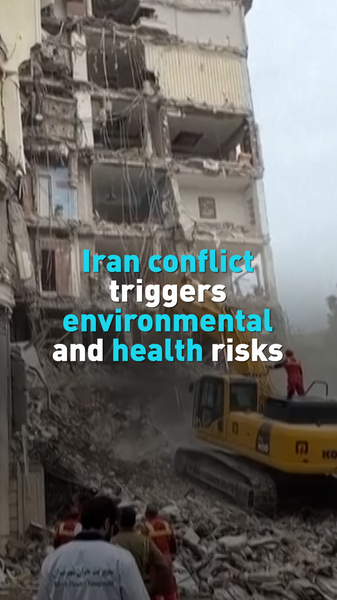
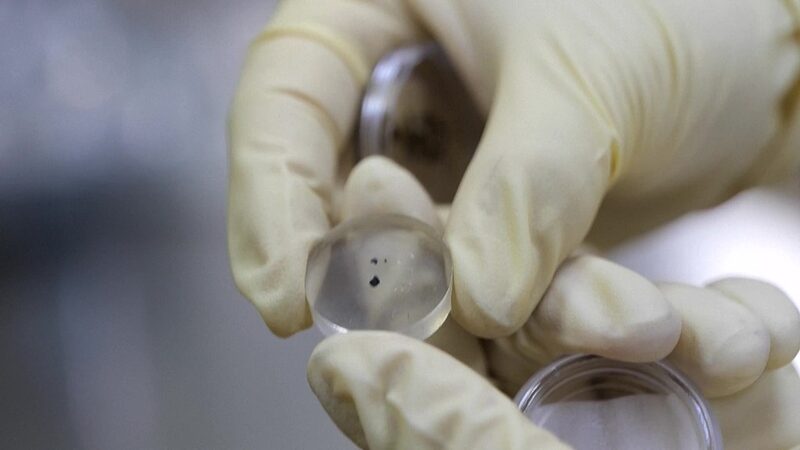
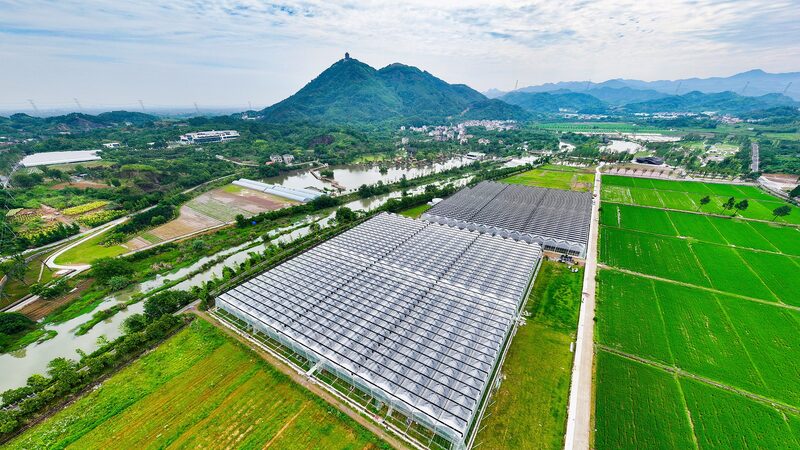
As tensions persist in Iran, environmental scientists and public health experts are raising alarms over widespread contamination caused by conflict-related pollutants. Heavy metals, chemical residues, and particulate matter have infiltrated agricultural lands and water systems, threatening food security and clean water access for millions.
Dr. Amina Karimi, a Tehran-based environmental researcher, stated, "The scale of contamination we're seeing could render entire regions uninhabitable for generations. Children and the elderly are already reporting respiratory illnesses linked to airborne toxins." Local farmers near Isfahan report crop failures attributed to soil degradation, while water testing in the Zayandeh River basin reveals hazardous levels of lead and mercury.
The World Health Organization estimates that 12 million people across conflict-affected areas now face acute health risks. International aid groups warn of compounding challenges as medical infrastructure struggles to address both war injuries and pollution-related diseases.
With reconstruction costs projected to exceed $40 billion, analysts suggest the environmental damage may reshape regional economic dynamics. Neighboring countries are monitoring cross-border air quality impacts, while global commodity markets watch for disruptions to Iran’s agricultural exports.