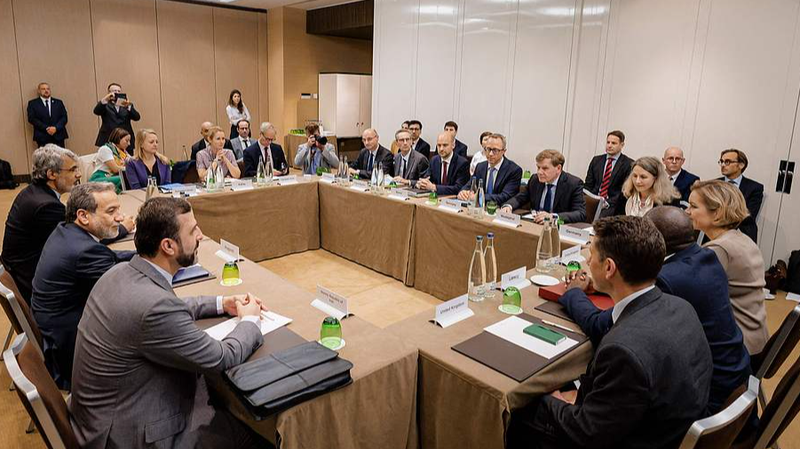
As tensions between the U.S. and Iran persist in the Middle East, conflicting ceasefire proposals reveal a stark divide in priorities. Washington recently submitted a 15-point peace plan via Pakistan, calling for a one-month truce to initiate negotiations. The proposal demands Iran dismantle nuclear capabilities, halt regional alliances, limit missile programs, and ensure Strait of Hormuz access. Tehran, however, insists on war reparations, full sanctions relief, and binding guarantees against foreign interference as non-negotiable conditions for peace.
Experts caution that core disagreements over accountability and geopolitical goals complicate prospects for dialogue. Wang Jin, director of Northwest University’s Center for Strategic Studies, noted that "substantial dialogue is unlikely" given irreconcilable views on the conflict’s origins. Meanwhile, Yu Guoqing of the Chinese Association of Middle East Studies emphasized the need to critically assess rapidly evolving claims, stating both sides appear to seek temporary de-escalation but face domestic and strategic constraints.
Israel’s opposition to an early truce adds another layer of complexity, threatening to prolong one of the region’s most volatile standoffs in recent years. With U.S. demands targeting Iran’s military and regional influence, and Tehran framing concessions as existential threats, analysts suggest third-party mediation may be the only viable path forward—though breakthroughs remain distant.