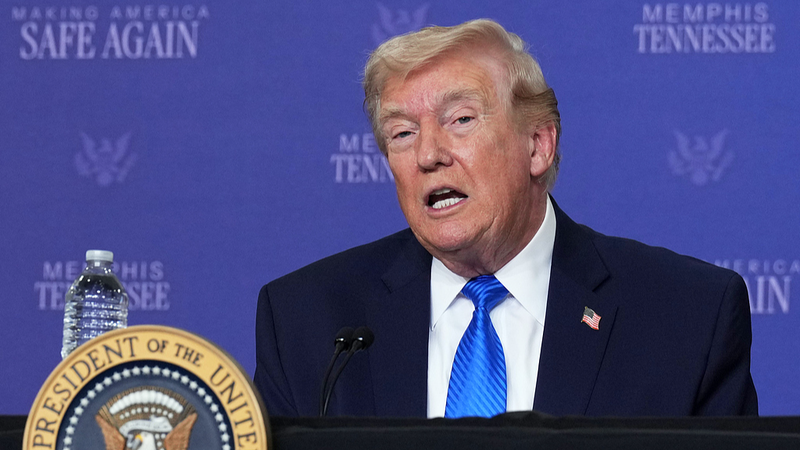
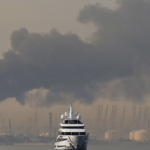
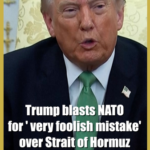
U.S. President Donald Trump announced a five-day delay in planned strikes on Iranian energy infrastructure on March 24, 2026, citing "very strong" talks with Tehran. The decision followed a 48-hour ultimatum demanding Iran reopen the Strait of Hormuz, a critical global oil transit route. Trump claimed discussions involved Iranian leadership through U.S. envoys, though Tehran swiftly denied engaging in direct negotiations.
Tehran Rejects US Claims, Warns of Retaliation
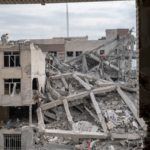
Iranian Foreign Ministry spokesperson Esmail Baghaei stated no talks occurred during the recent 24-day conflict, emphasizing Iran’s stance on the strait remains unchanged. A military source warned U.S. attacks would trigger "decisive" retaliation, while analysts speculate Trump’s move may aim to influence energy markets or gather intelligence ahead of a potential 5,000-strong Marine deployment to the Middle East by March 27.
Regional and Global Implications
Israeli Prime Minister Benjamin Netanyahu hinted at leveraging military gains for diplomatic agreements, aligning with unconfirmed reports of potential U.S.-Iran talks in Islamabad this week. The White House declined to confirm negotiations, stressing fluidity in diplomatic efforts. Observers warn further escalation could destabilize Gulf energy supplies and global markets.