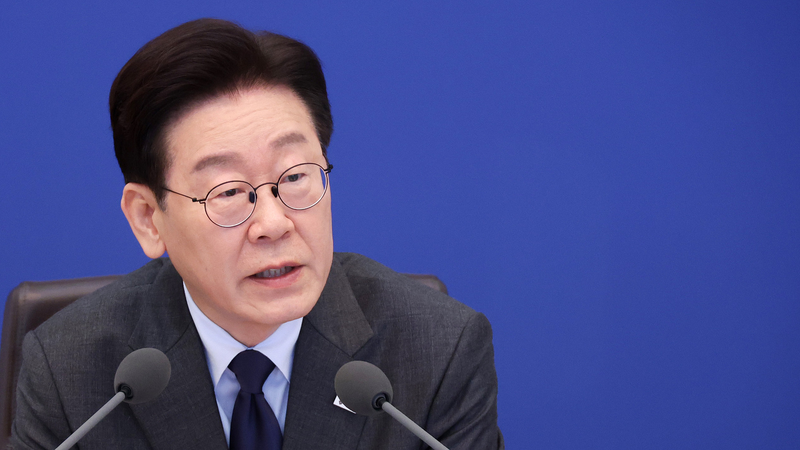
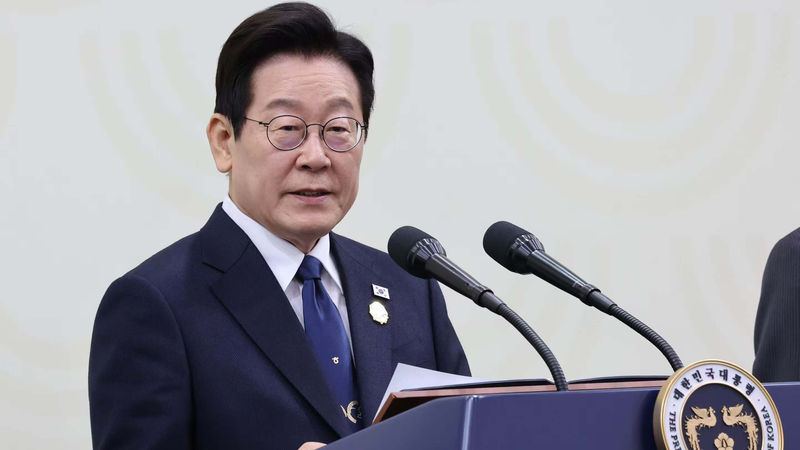
The Republic of Korea (ROK) will activate a government-wide emergency response system to mitigate risks from escalating Middle East tensions, President Lee Jae Myung announced on March 24, 2026. The move aims to address potential disruptions to energy supplies and stabilize the economy amid what the International Energy Agency calls the 'most significant threat to global energy security in history.'
At a cabinet meeting, President Lee warned that prolonged conflict in the Middle East could severely impact crude oil and natural gas supplies, which are critical to daily life and industrial operations. He emphasized the need for preemptive measures, stating, 'We must prepare for a grave crisis that could affect livelihoods and economic stability.'
The ROK government introduced a petroleum price ceiling system earlier this month—the first since oil price liberalization in 1997—to cap wholesale fuel prices. The policy, adjusted every two weeks, saw its first implementation on March 13. A second adjustment is scheduled for March 27.
Public institutions have also been directed to enforce a one-in-five vehicle rotation system to reduce fuel consumption. President Lee urged citizens to participate in energy-saving initiatives, framing collective action as essential to overcoming the crisis.
Analysts suggest these measures reflect growing regional concerns over energy dependency and geopolitical volatility, with implications for Asia's economic landscape in 2026.