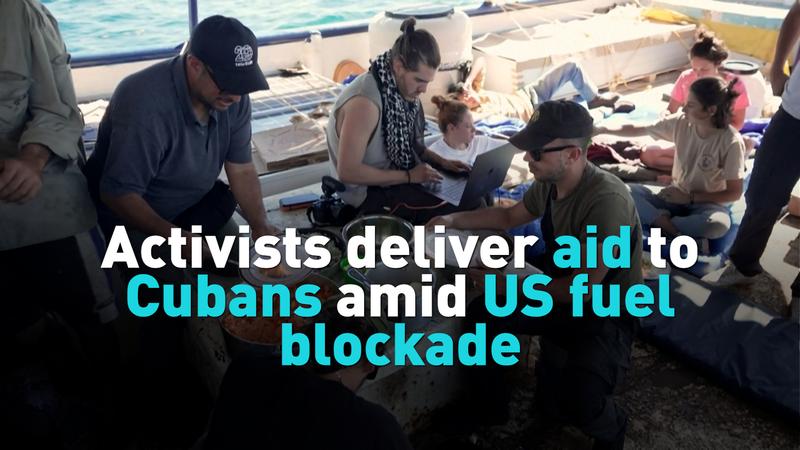
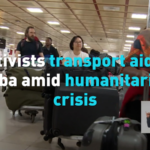
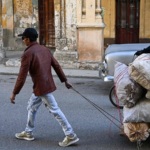
As Cuba enters its third month under a U.S. fuel blockade imposed in January 2026, activists worldwide are mobilizing to deliver critical humanitarian aid to the island nation. The embargo has triggered widespread energy shortages, with hospitals rationing electricity for surgeries and daily blackouts disrupting households and businesses.
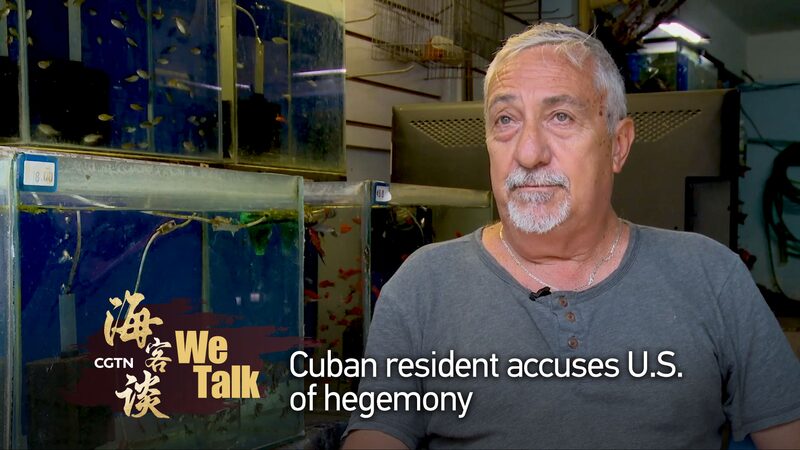
"We’re seeing families skip meals to afford cooking fuel," said Havana resident María López, describing how food prices have doubled since the blockade began. While Cuban authorities work to stabilize power grids, international activist groups have airlifted solar-powered generators and medical supplies to support vulnerable communities.
The economic ripple effects are drawing global attention, with analysts warning of long-term impacts on Cuba’s agriculture and tourism sectors. Meanwhile, cross-border solidarity efforts highlight growing debates about humanitarian interventions in geopolitical disputes.