The World Meteorological Organization (WMO) issued a stark warning on March 23, 2026, revealing that Earth’s energy imbalance reached unprecedented levels in 2025, marking the highest recorded since 1960. The findings, released on World Meteorological Day under the theme "Observing Today, Protecting Tomorrow," confirm 2015-2025 as the hottest 11-year period in modern history.
Key Climate Indicators Signal Escalating Crisis
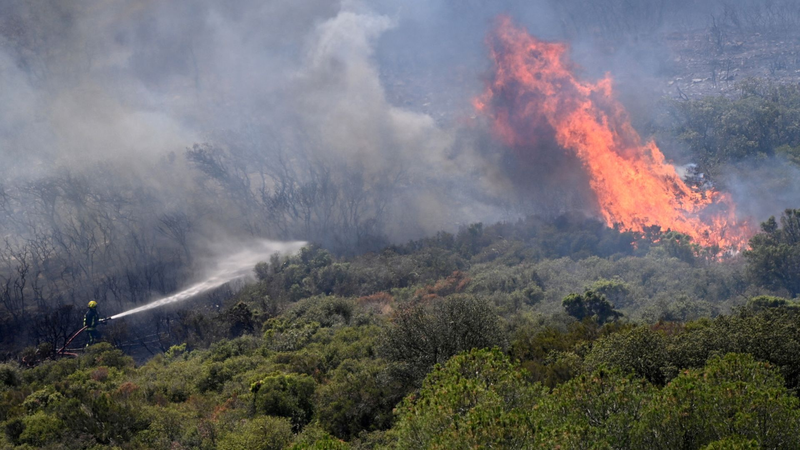
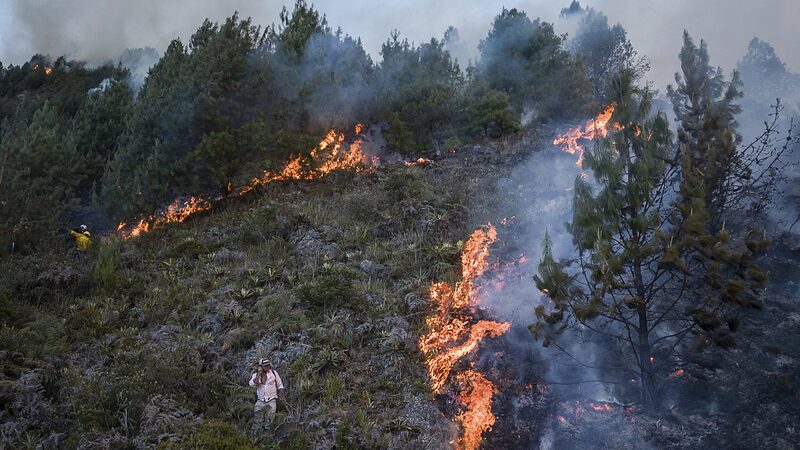
Global surface temperatures in 2025 averaged 1.43°C above pre-industrial levels, ranking it as the second- or third-hottest year on record. The report highlights intensified heatwaves, catastrophic rainfall, and tropical cyclones that disrupted economies and communities worldwide, exposing systemic vulnerabilities in an interconnected world.
Earth’s Energy Imbalance: A New Metric for Urgency
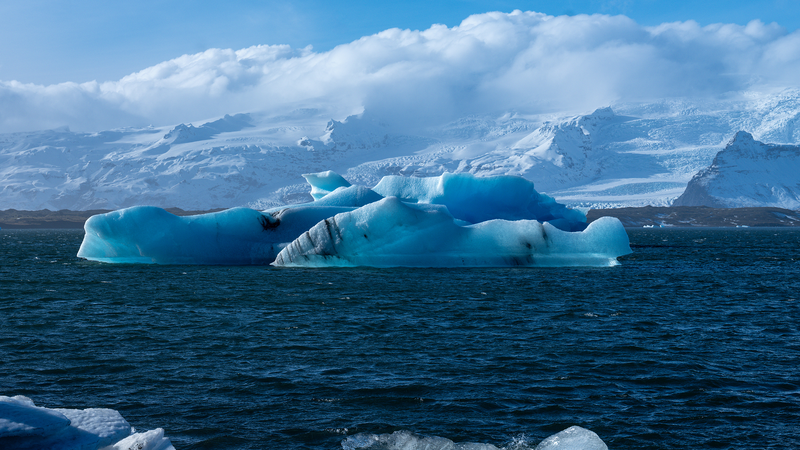
For the first time, the WMO included Earth’s energy imbalance—measuring the disparity between absorbed solar energy and outgoing heat—as a critical climate indicator. Rising greenhouse gas concentrations have trapped excess energy equivalent to "powering 50 billion industrial-scale air conditioners continuously for a year," accelerating ocean warming, glacier melt, and sea-level rise.
Global Implications and Calls for Action
WMO Secretary-General Celeste Saulo emphasized that "the climate crisis is no longer a distant threat but a present reality." The report underscores the need for rapid emissions reductions and adaptive infrastructure, particularly in Asia, where coastal cities and agricultural systems face heightened risks.