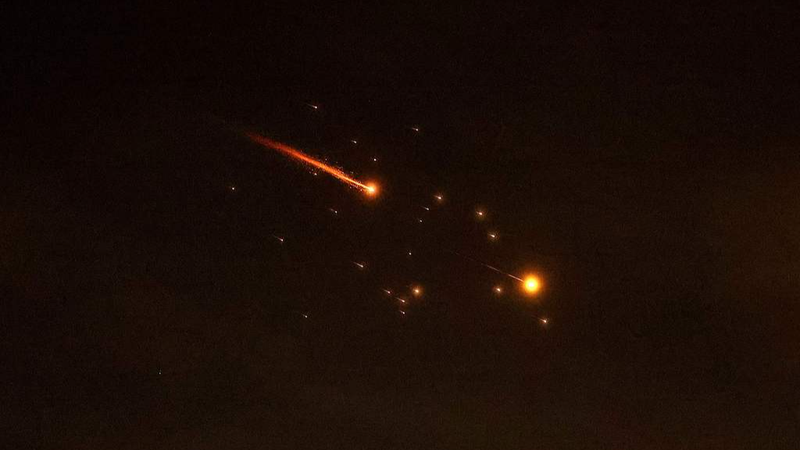
As the US-Israel-Iran conflict enters its 24th day on March 23, 2026, Iranian authorities maintain the Strait of Hormuz remains open to non-hostile vessels despite implementing wartime security measures. This follows US President Donald Trump's ultimatum to strike Iran's electricity grid within 48 hours if the strategic waterway isn't fully reopened.
Civilian Infrastructure at Risk
Iran has threatened retaliatory strikes on Gulf neighbors' energy and water systems if US warnings materialize. Such actions could cripple desalination plants providing up to 100% of drinking water in Bahrain and Qatar, with Saudi Arabia and the UAE also facing severe impacts. International affairs expert Su Xiaohui warned CMG that expanded military operations could force Iran into retaliatory measures with catastrophic regional consequences.
Prolonged Military Operations
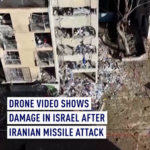
Israeli military spokesperson Effie Defrin confirmed ongoing airstrikes against Iranian targets, stating operations against Iran and Hezbollah will continue for weeks. Since February 28, Israel has reportedly dropped over 10,000 munitions across Iran while accelerating infrastructure demolition in southern Lebanon.
Global Implications
The conflict's escalation has prompted the US State Department to issue worldwide cautions for American citizens, particularly in the Middle East. With 30% of global oil shipments passing through the Strait of Hormuz, continued tensions threaten both regional stability and international energy markets.