As World Water Day is observed globally on March 22, 2026, this year's theme—'Water for All People: Equal Rights and Opportunities'—casts a stark light on the intertwined challenges of water scarcity and gender inequality. A new United Nations report underscores how equitable water governance could unlock transformative progress for women and communities worldwide.
The Crisis by the Numbers
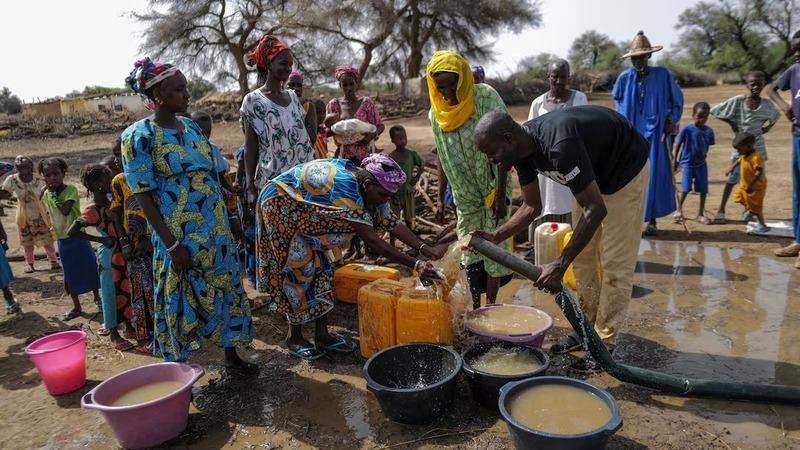
Despite decades of initiatives, 2.1 billion people still lack access to safely managed drinking water in 2026, with 106 million relying directly on untreated surface sources. Women and girls bear the brunt of this crisis, spending an estimated 250 million hours daily collecting water—time that could otherwise fuel education, economic participation, or community leadership.
When Water Scarcity Deepens Inequality
The UN World Water Development Report 2026 reveals how industrial water use in sectors like textiles and mining exacerbates scarcity, disproportionately affecting women in nearby communities. With 70% of water collection responsibilities falling on women in households without direct access, prolonged droughts and pollution are creating cycles of 'time poverty' that limit personal and economic growth.
Pathways to Progress
The report calls for gender-responsive policies in water management, emphasizing women's inclusion in decision-making roles. By integrating gender perspectives into ecosystem governance, nations could accelerate progress toward Sustainable Development Goal 6 while empowering millions of women currently sidelined by daily survival tasks.