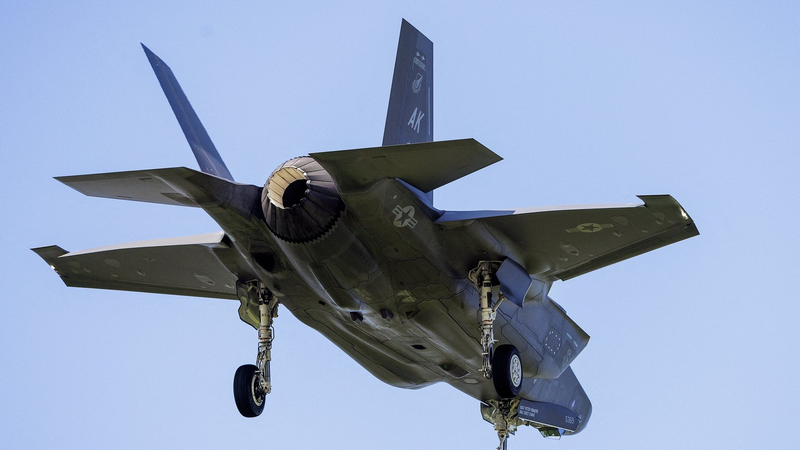
The first confirmed combat damage to a US F-35 stealth fighter during a March 19 mission over Iran has sparked urgent discussions about modern air combat vulnerabilities. Footage released by Iranian media allegedly shows the strike captured through electro-optical/infrared sensors, with US Central Command confirming an ongoing investigation into the emergency landing incident.
Ambush Tactics Challenge Stealth Supremacy
Chinese military analyst Wei Dongxu told China Media Group that Iranian forces exploited predictable flight patterns: "When the F-35 flew low, its engine heat became visible to mobile air defense vehicles. Short-range missiles then engaged it before flare deployment was possible." This analysis aligns with observations by The War Zone and SCMP, noting that passive EO/IR systems bypass radar detection – a critical weakness for fifth-generation fighters.
Historical Precedents Emerge
This incident follows earlier close calls. US officials confirmed Yemen's Houthi forces previously forced F-35 evasive maneuvers using surface-to-air missiles, while an Israeli F-35 narrowly avoided being downed over Iran in 2025. Though pilot skill prevented losses, these events collectively question the aircraft's "invulnerable sky ghost" reputation.
Strategic Implications for Allies
With over 900 F-35s operational worldwide, the incident highlights risks from infrared threats and mobile launchers during deep penetration missions. As Wei concluded, this development forces operators to reconsider the jet's survivability in high-intensity conflicts against increasingly sophisticated defenses.