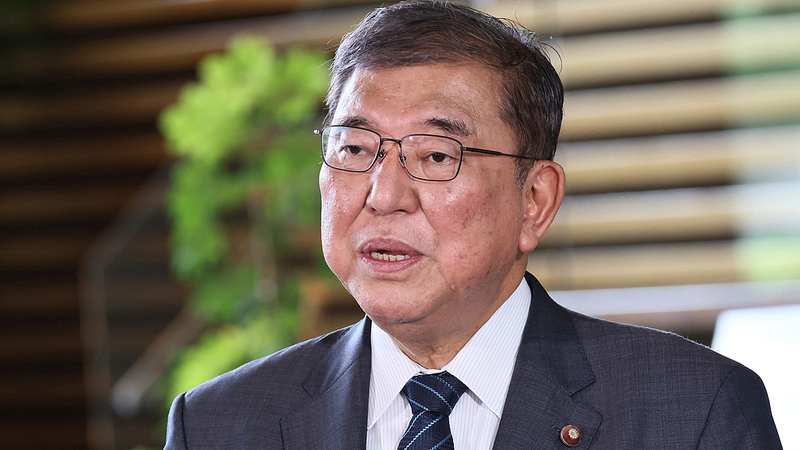
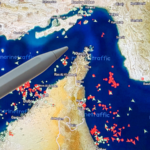
As tensions in the Strait of Hormuz escalate, Japan faces a dual challenge: stabilizing its energy supply while navigating its alliance with the United States. Prime Minister Sanae Takaichi’s visit to the U.S. this month underscores Tokyo’s urgency to reinforce partnerships amid a crisis threatening its oil-dependent economy.
Emergency Measures Highlight Vulnerability
On March 16, Japan initiated its largest-ever oil reserve release—80 million barrels—to counter supply disruptions caused by instability in the critical Hormuz shipping lane. This follows a March 11 decision to bypass International Energy Agency coordination, marking a rare unilateral move. Analysts warn the reserves may only cover 45 days of consumption, leaving Japan exposed if tensions persist.
Structural Weaknesses Resurface
Data from Japan’s Ministry of Economy, Trade and Industry reveals 95.1% of its crude oil imports originate from the Middle East, with 73.7% passing through Hormuz. Reliance on the region has grown since 2022, when Japan reduced Russian imports. Chen Yan of the Japan Enterprise (China) Research Institute notes this mirrors vulnerabilities from the 1973 oil crisis, stating: 'Japan’s energy strategy remains contradictory—dependent on Middle Eastern oil while often diverging politically.'
Economic Domino Effect
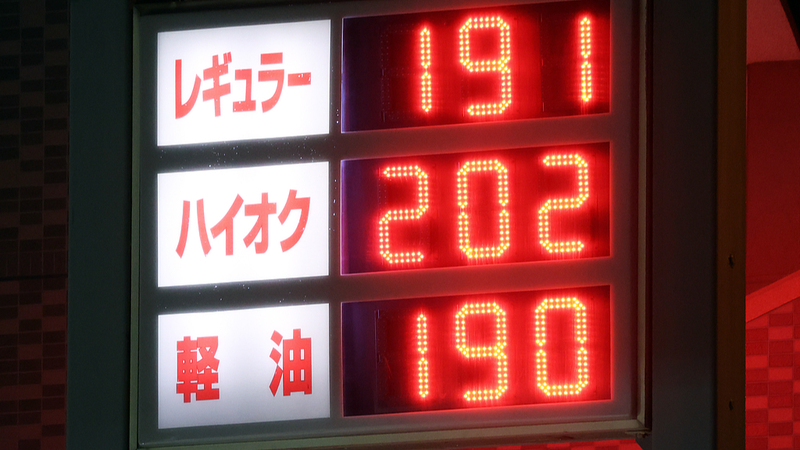
Rising fuel costs are rippling through Japan’s economy. Refineries have halted March exports to prioritize domestic supply, while manufacturers face operational strains. The Bank of Japan reports declining refinery rates, with energy-intensive sectors like chemicals and transport bracing for prolonged pressure. Households, particularly in rural areas, could see disposable income shrink as subsidies struggle to cap gasoline at 170 yen per liter ($1.07).
Long-Term Risks Loom
Mizuho Bank projects a 10 trillion yen annual trade deficit if oil stays above $90/barrel, while Nomura Research Institute warns of 0.65% GDP contraction at $130/barrel. Analysts criticize Japan’s slow renewable energy transition, with Chen noting: 'Lukewarm adoption of solar and wind power exacerbates this crisis.' As U.S.-Iran tensions show no signs of easing, Tokyo’s ability to balance alliances and energy security faces its sternest test in decades.