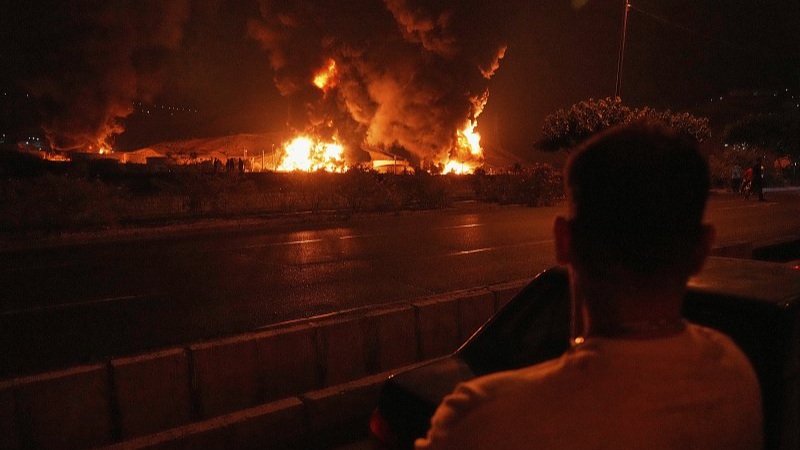
The Gulf region's critical energy infrastructure faces unprecedented strain as escalating conflict between the US, Israel, and Iran disrupts operations at major oil and gas facilities. With global oil prices surging 18% this week, analysts warn of potential long-term impacts on energy markets and supply chains.
Qatar's LNG Hub Damaged
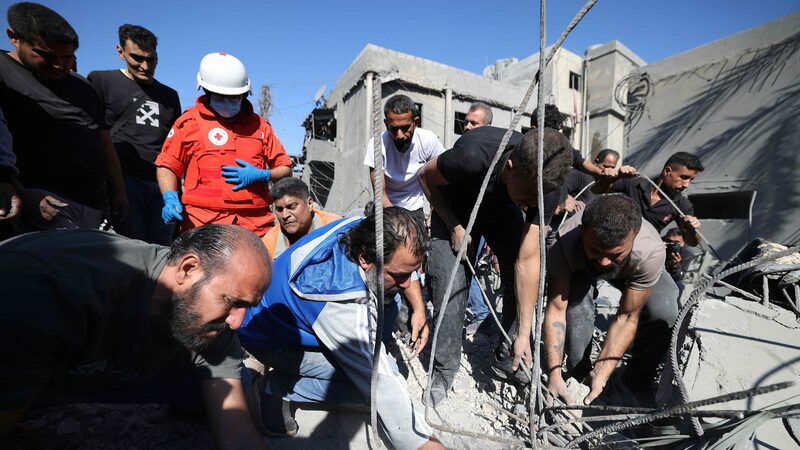
QatarEnergy confirmed missile strikes caused extensive damage at Ras Laffan Industrial City, the world's largest LNG export facility. Emergency teams contained fires at the 295 sq km complex, with no casualties reported. This comes as Asia's LNG spot prices hit record highs.
UAE Gas Operations Suspended
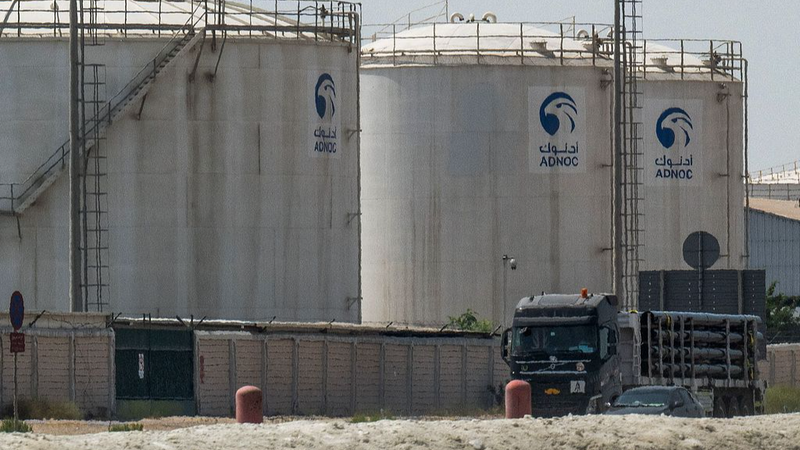
ADNOC temporarily halted operations at its Habshan gas facility after missile debris damaged infrastructure. The Bab oil field, UAE's largest onshore reserve, also sustained damage, complicating regional efforts to bypass Hormuz Strait closures.
Saudi Refinery Targeted
Saudi Aramco's SAMREF refinery in Yanbu suffered aerial attacks, disrupting Red Sea oil exports. The facility had become crucial for bypassing blocked Hormuz routes since conflict escalated in late February 2026.
Regional Impacts Widen
Kuwait's Mina Abdullah and Al Ahmadi refineries reported drone strikes, while Bahrain's Bapco Energies declared force majeure after refinery attacks injured 32. Oman's Port of Salalah fuel tanks sustained drone damage, threatening regional bunkering capacity.
With 40% of global LNG exports and 25% of oil shipments affected, energy analysts predict sustained price volatility. The International Energy Agency is coordinating emergency stock releases, while Asian manufacturers brace for production delays.