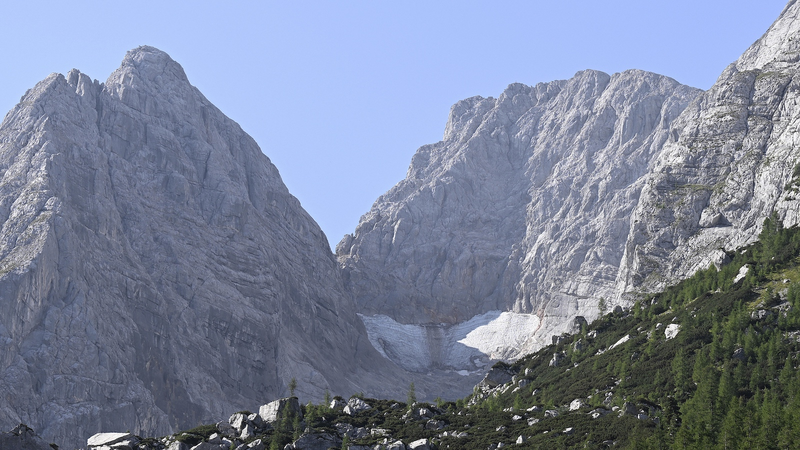
Germany’s last remaining glaciers could disappear entirely by the 2030s due to unprecedented melting rates linked to rising global temperatures, researchers warned this week. The findings, released on March 19, 2026, highlight a dramatic environmental shift in regions once synonymous with permanent ice cover.
Scientists report that melt rates have doubled since 2020, with current projections indicating complete glacial loss within the next decade. This year alone, researchers observed a 15% acceleration in ice retreat compared to 2025 levels. The Bavarian Alps, home to Germany’s five remaining glaciers, have seen surface temperatures rise 2.1°C above pre-industrial averages – exceeding global warming trends.
While focused on Europe, the study carries implications for Asia’s climate challenges. Similar glacial systems in the Himalayas, crucial for freshwater supplies across South and Southeast Asia, face parallel threats. Experts suggest Germany’s situation could foreshadow water security challenges for over 750 million people dependent on Asian glacier-fed rivers.
Environmental economists note the findings may influence sustainability investments in Asian markets, particularly in renewable energy and water management sectors. The Chinese mainland recently announced plans to expand its glacier monitoring network in western regions, reflecting growing regional concerns.