Editor's note: This analysis explores Africa's challenges amid escalating Middle East tensions, focusing on economic resilience strategies. Part of KhabarAsia's weekly global affairs series.
The Geopolitical Tightrope
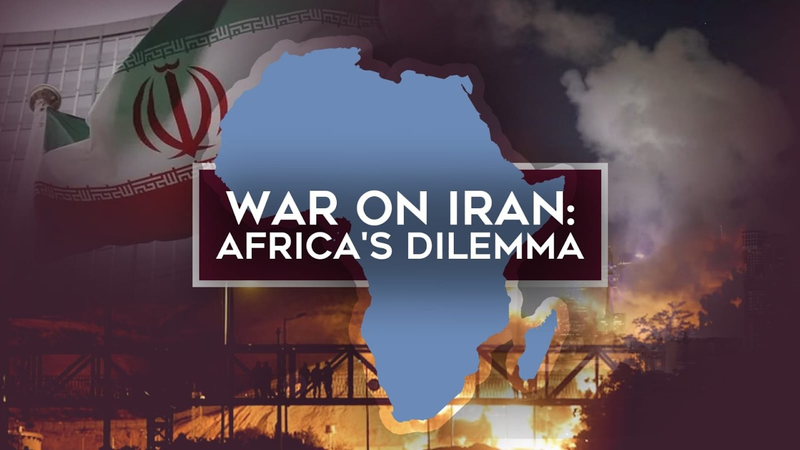
As U.S.-Israel-Iran tensions persist through March 2026, African nations face mounting pressure on energy markets and trade routes. Nigeria's Foreign Minister Yusuf Tuga recently highlighted untapped hydrocarbon reserves as potential crisis buffers, but experts urge cautious optimism.
The "Windfall" Illusion
Professor Chukwumerije Okereke of Bristol University warns:
"Price surges create temporary gains, but structural weaknesses in refining capacity and fertilizer imports could erase these benefits."
His analysis reveals that 40% of African crude exporters simultaneously import refined petroleum products.
Maritime Shifts & Supply Chain Realities
With shipping reroutes through Durban gaining prominence, Okereke notes:
"While South African ports may see increased traffic, extended supply chains could raise consumer prices continent-wide by 8-12% this year."
Historical patterns suggest such windfalls rarely translate to lasting stability without strategic infrastructure investment.