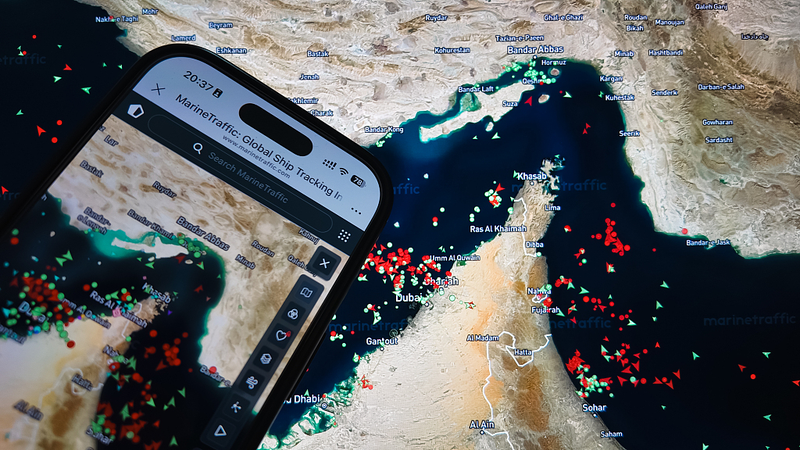
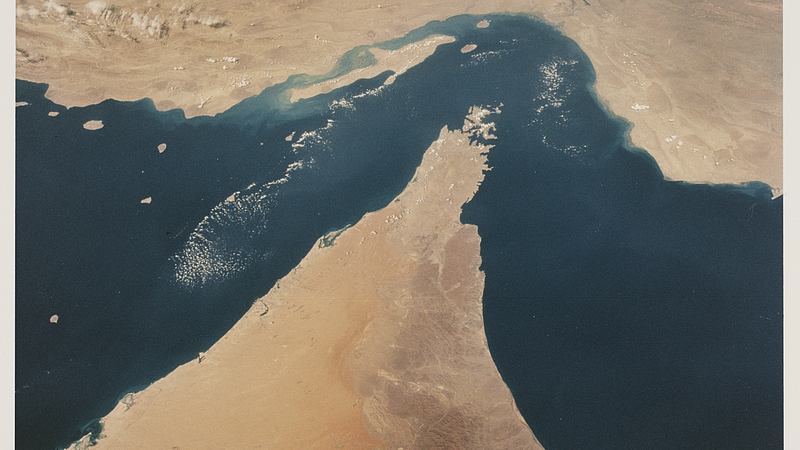
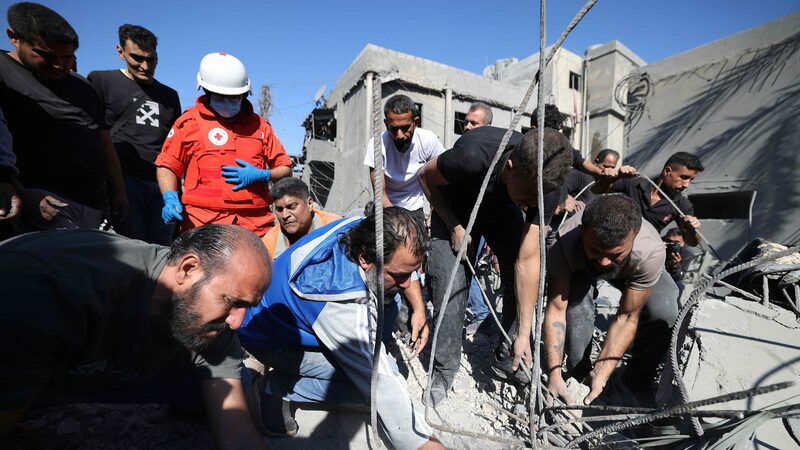
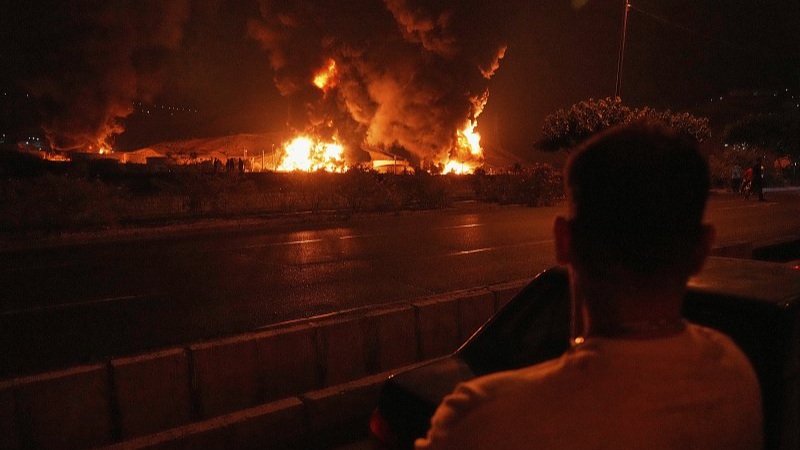
Recent strikes targeting Iran's South Pars gas field – the world's largest natural gas complex – and subsequent warnings about Gulf oil facilities have escalated tensions in the US-Israeli military campaign. This marks a dangerous shift from conventional warfare to attacks on critical energy infrastructure, with analysts warning of potential regional supply chain collapse.
Global Energy Markets in Turmoil
Brent crude prices surged 18% this month as markets react to instability in the Strait of Hormuz, through which 21% of global oil consumption passes. The Asian Development Bank estimates current price spikes could add 2.3% to inflation rates across developing Asian economies this quarter.
Fertilizer Shortages Threaten Food Security
With Iran accounting for 16% of global urea exports, shipping disruptions have caused fertilizer prices to reach record highs. The UN Food and Agriculture Organization warns this could reduce rice yields in Southeast Asia by 7-9% during the 2026 growing season, potentially affecting 600 million consumers.
Economic Resilience Tested
Major Asian economies are implementing emergency measures, including India's strategic fertilizer reserves and China's coordinated energy shipments through the Shanghai Cooperation Organization. However, small island nations and least-developed countries face acute pressure, with World Food Programme costs up 34% year-to-date.
International Response
APEC members are scheduled to discuss crisis mitigation strategies at next month's emergency meeting in Singapore. Meanwhile, shipping giants report a 42% increase in insurance premiums for Gulf-bound vessels, with many operators now avoiding the region entirely.