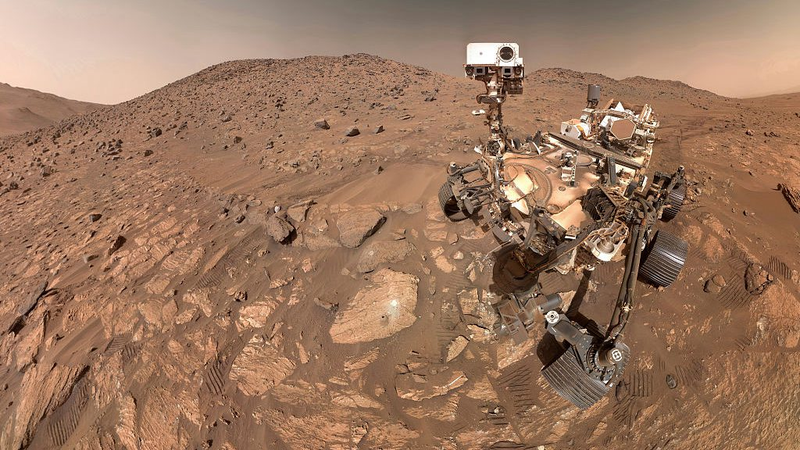
NASA's Perseverance rover has revealed groundbreaking evidence of a buried ancient river delta in Mars' Jezero Crater, detected through advanced ground-penetrating radar. The discovery, announced on March 19, 2026, provides the oldest confirmed geological evidence of sustained water flow on the Red Planet – dating back 3.7 to 4.2 billion years.
Using its RIMFAX instrument, the rover mapped layered sediments 35 meters below the Martian surface during its 6.1-kilometer traverse. These features suggest a dynamic environment where water once emptied into an ancient lake basin, creating conditions that could have supported microbial life.
'This delta existed during Mars' most habitable period,' said UCLA planetary scientist Emily Cardarelli, lead author of the study published in Science Advances. 'Such environments concentrate organic matter – ideal for preserving potential biosignatures.'
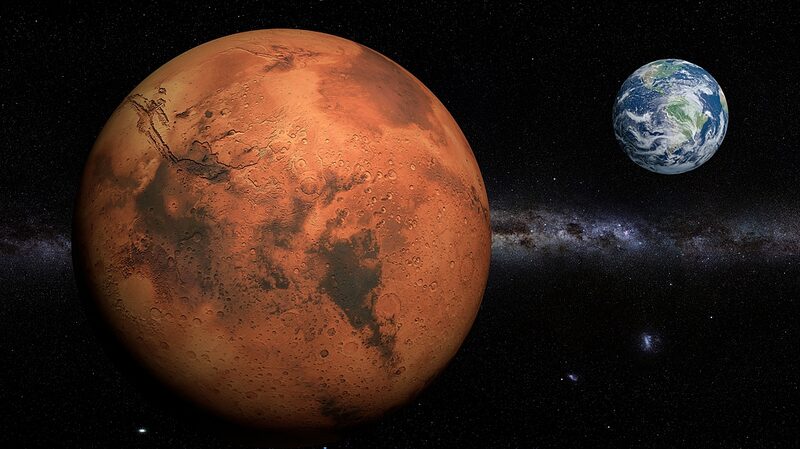
The findings align with 2025 radar data from China's Zhurong rover, which detected possible ancient shoreline features in Mars' northern plains. Together, these discoveries paint a picture of a planet that transitioned from water-rich to arid over billions of years.
As Perseverance continues its mission, scientists emphasize that each layer examined brings humanity closer to answering whether life ever existed beyond Earth. The rover's samples, destined for future return to Earth, could revolutionize our understanding of planetary evolution.