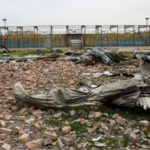
Three weeks into the U.S.-Israeli military campaign against Iran, what began as an attempt to force rapid leadership change has evolved into a grueling stalemate. As of March 2026, Tehran's strategy of endurance appears to be shifting momentum in its favor despite sustained aerial bombardments targeting key military and political figures.
Tehran's Resilience
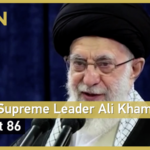
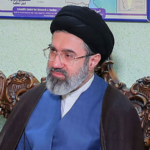
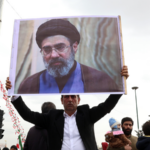
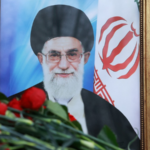
Iran's clerical establishment has demonstrated unexpected cohesion following the orderly transition to new Supreme Leader Mojtaba Khamenei last week. Despite confirmed strikes eliminating security chief Ali Larijani and Basij commander Gholamreza Soleimani earlier this week, Revolutionary Guards maintain nationwide control. U.S. intelligence now describes the system as "still intact," contradicting initial predictions of rapid collapse.
Economic Leverage
Iran's retaliatory blockade of the Strait of Hormuz continues disrupting 20% of global oil shipments, driving prices to seven-year highs. This petroleum crisis compounds inflationary pressures in Western economies already grappling with domestic energy costs. Analysts note Tehran's asymmetric capabilities – including proxy networks and low-cost drone swarms – allow it to sustain operations at minimal expense compared to U.S.-Israeli precision munitions.
Domestic Pressures Mount
Anti-war sentiment is rising sharply in the U.S. as Congress debates the $28 billion spent on air operations since February. Israeli Prime Minister Benjamin Netanyahu faces growing scrutiny over stalled military progress despite initial public support. Meanwhile, Gulf states damaged by Iranian strikes are privately urging de-escalation rather than supporting extended operations.
As the conflict enters its fourth week, the original goal of regime change appears increasingly unattainable. With Iran's leadership betting on Western political fatigue and economic strain to outlast military superiority, the war's outcome may hinge on which side can endure longest in 2026's most consequential geopolitical standoff.