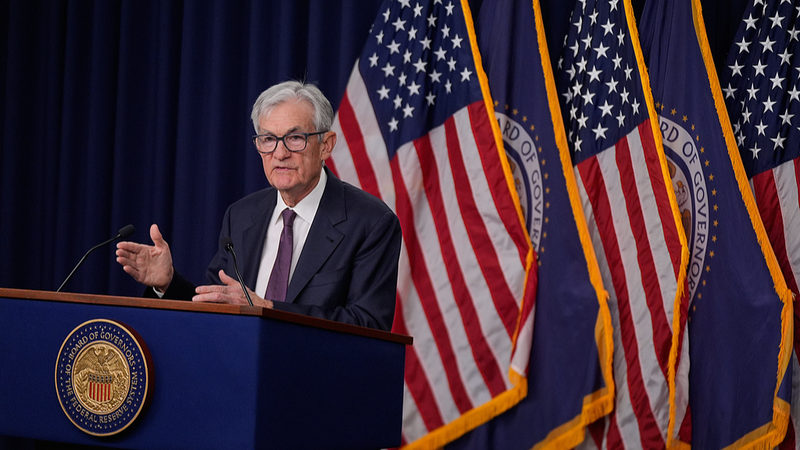
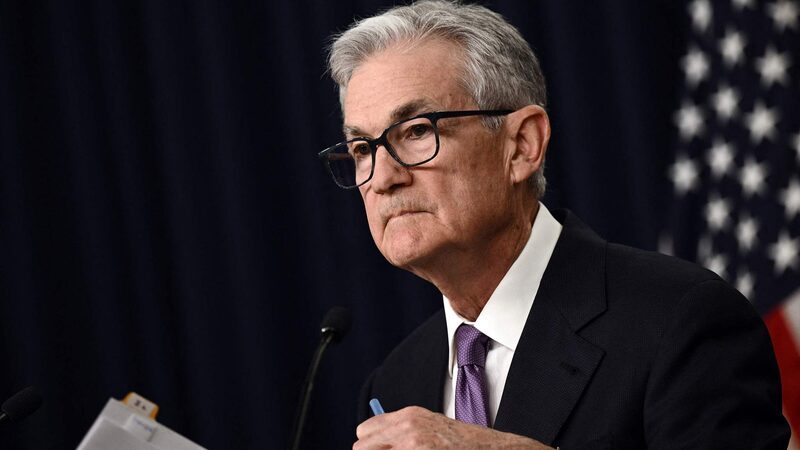
The US Federal Reserve maintained interest rates at 3.5-3.75% on March 19, 2026, citing persistent inflation risks linked to Middle East tensions. Chair Jerome Powell acknowledged energy price surges could prolong inflationary pressures but avoided labeling the situation as stagflation, stating the economy remains resilient despite 'difficult' uncertainties.
Market reactions were immediate: US stocks dipped while the dollar strengthened, reflecting investor caution. Revised inflation projections now stand at 2.7% for 2026, up from earlier estimates of 2.5%, with analysts predicting delayed rate cuts amid geopolitical volatility.
Goldman Sachs strategist Lindsay Rosner noted the Fed's 'wait-and-see' approach hinges on conflict resolution timelines, while B. Riley's Art Hogan emphasized the decision aligns with revised economic forecasts. The Fed reiterated its commitment to achieving 2% inflation but stressed policy flexibility amid evolving risks.
President Donald Trump renewed calls for immediate rate reductions ahead of the scheduled meeting, highlighting political pressures on central bank independence. The FOMC's next decision in May 2026 will be closely watched by Asian markets, where export-driven economies remain vulnerable to prolonged US monetary tightening.