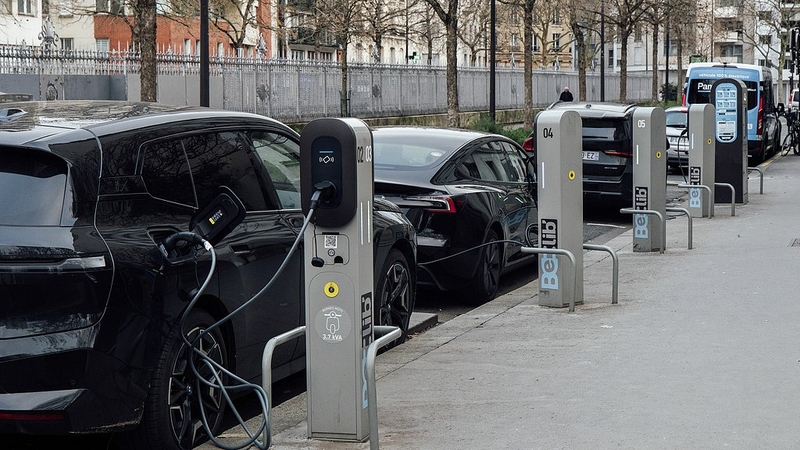
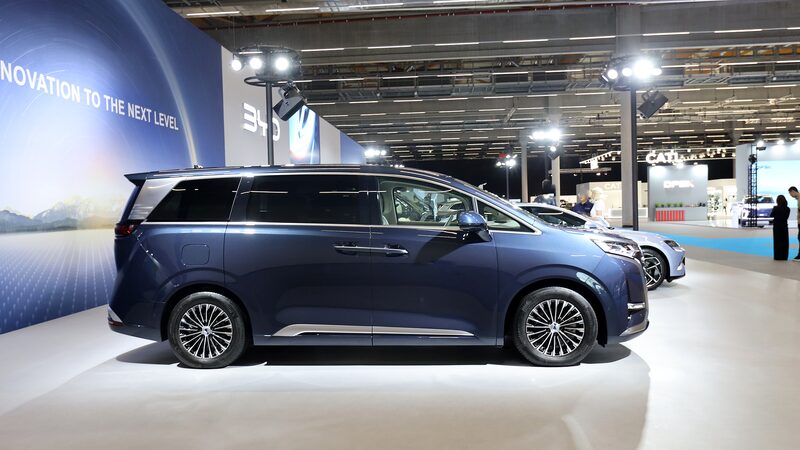
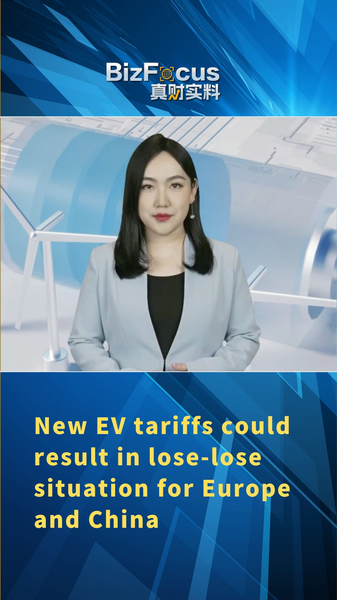
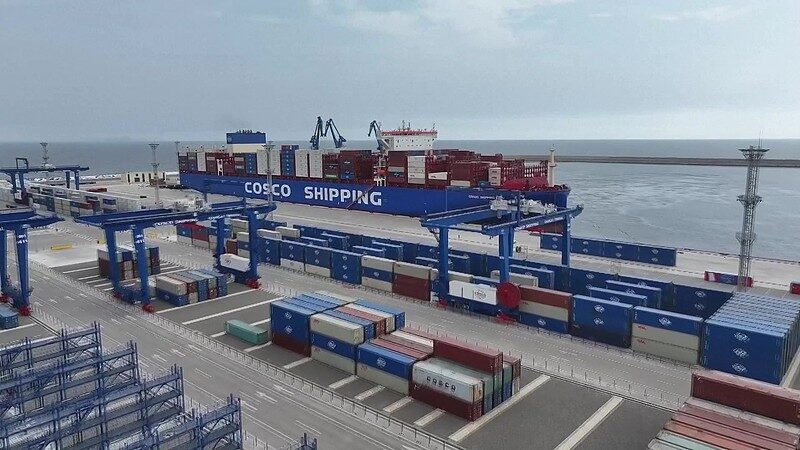
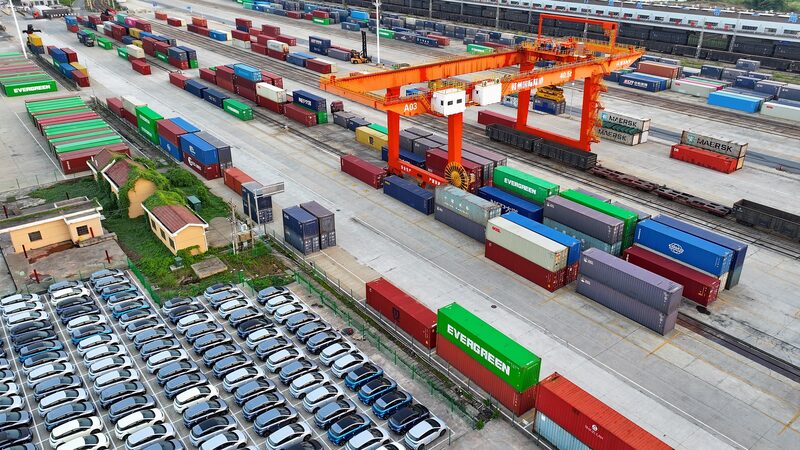
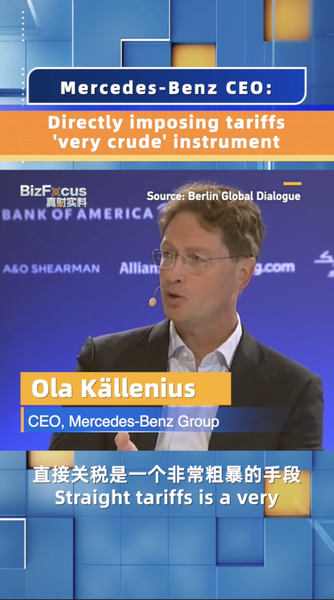
As the European Union's tariffs on imported electric vehicles enter their third year in 2026, a new global poll reveals shifting perspectives on trade policies impacting Asia's automotive sector. Implemented since 2024, the measures continue to reshape supply chains while sparking discussions about protectionism versus climate action priorities.
Regional Responses Intensify
Automakers across Asia have adapted strategies to mitigate tariff impacts, with Chinese mainland manufacturers establishing joint ventures in Eastern Europe and Southeast Asian producers leveraging free trade agreements. Recent data shows electric vehicle exports from Thailand to the EU grew 18% year-on-year through Q1 2026.
Business Implications
Investment analysts note increased interest in battery production facilities within EU borders, particularly from South Korean and Japanese firms. Meanwhile, Taiwan region-based tech companies report surging demand for advanced automotive semiconductors despite trade barriers.
Environmental Trade-offs Questioned
Climate researchers warn the tariffs might inadvertently slow Europe's green transition, with a Munich-based think tank estimating potential 2026 EV price increases of 12-15% for European consumers. The Chinese premier recently emphasized global cooperation during the National People's Congress, stating: "Climate action requires open markets and shared innovation."