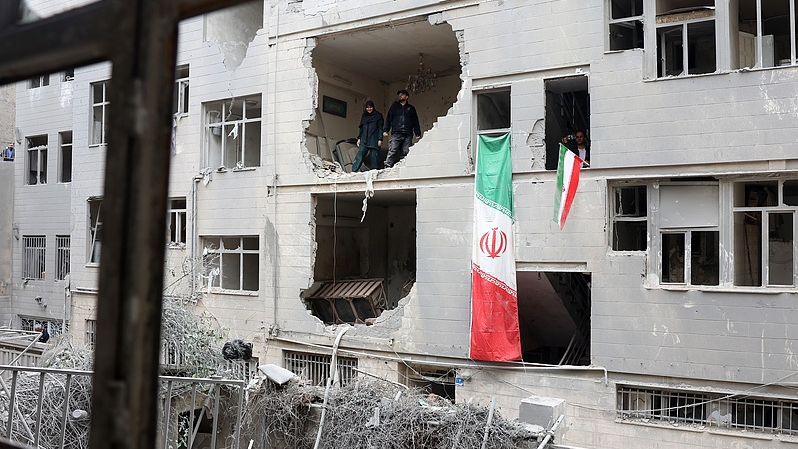
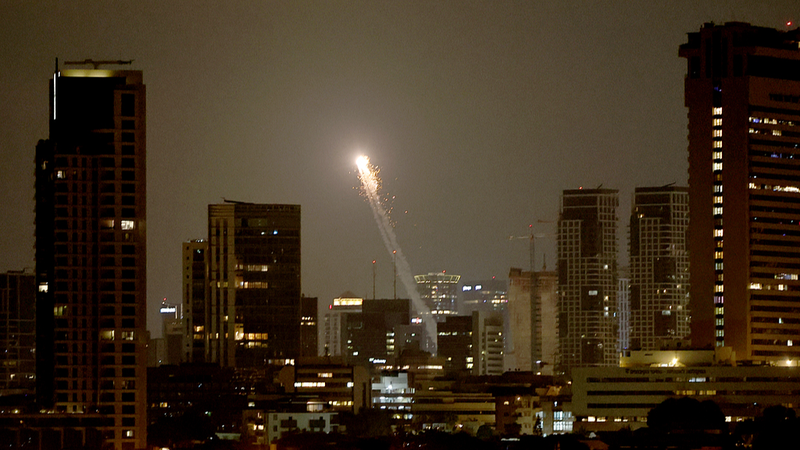
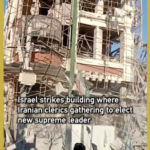
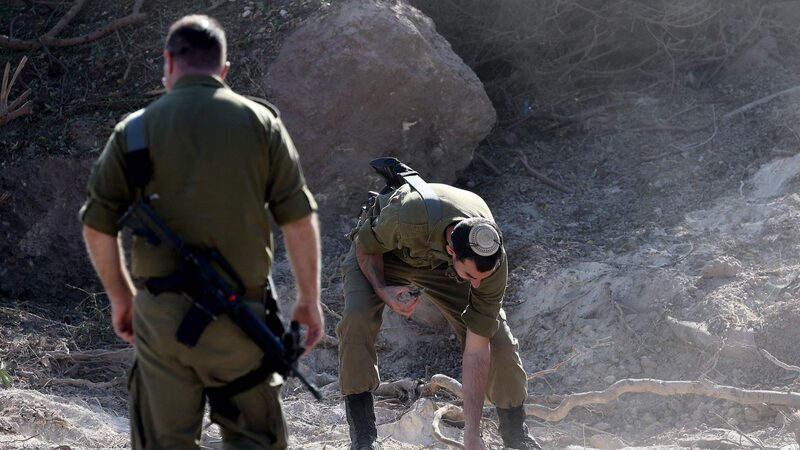
Recent joint military operations by the United States and Israel against Iranian targets have intensified scrutiny of their long-term strategic objectives, with a new public poll inviting global participants to weigh in on the conflict's implications. The strikes, including a March 15 attack that damaged residential areas in southern Tehran, highlight escalating tensions in a region already grappling with complex security challenges.
Analysts suggest the operations could reshape energy markets and supply chains across Asia, particularly for economies reliant on Middle Eastern oil. “This conflict isn’t contained to military targets—it’s reverberating through boardrooms and trading floors worldwide,” said Singapore-based geopolitical risk advisor Dr. Amina Tan. Meanwhile, the Democratic People’s Republic of Korea (DPRK) issued a statement condemning the strikes as “reckless escalation,” aligning with China’s calls for diplomatic resolution.
Business leaders in Hong Kong and Taiwan region report heightened interest in diversifying energy portfolios, with overseas investors accelerating investments in renewable technology startups across Southeast Asia. Cross-strait trade data for early 2026 shows a 12% month-over-month increase in Taiwanese semiconductor exports to the Chinese mainland, suggesting supply chain adaptations to regional instability.
As travelers reconsider Middle Eastern itineraries, tourism authorities in Thailand and Malaysia have launched campaigns promoting “Asia-first” cultural experiences. The ongoing developments underscore the interconnected nature of Asian security, economic resilience, and global diplomacy in an increasingly multipolar world.