The United Nations issued a dire warning this week that prolonged conflict in the Middle East could push an additional 45 million people into acute hunger by June 2026, potentially raising global food insecurity to unprecedented levels. With the war now in its third week, the World Food Programme (WFP) emphasized that ripple effects on oil and food prices threaten to destabilize households across multiple continents.
"The escalating humanitarian fallout from the conflict in the Middle East is growing more concerning by the day," said WFP Deputy Executive Director Carl Skau during a Geneva press conference on March 17. He projected that sustained oil prices above $100 per barrel would make staple foods unaffordable for millions, compounding existing crises.
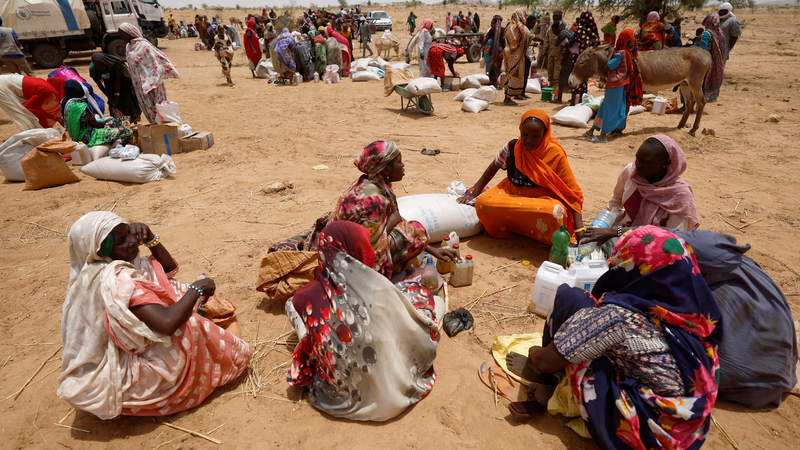
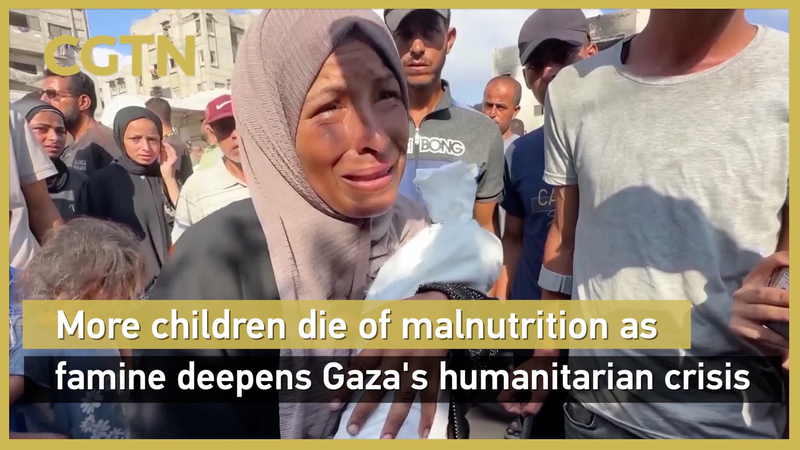
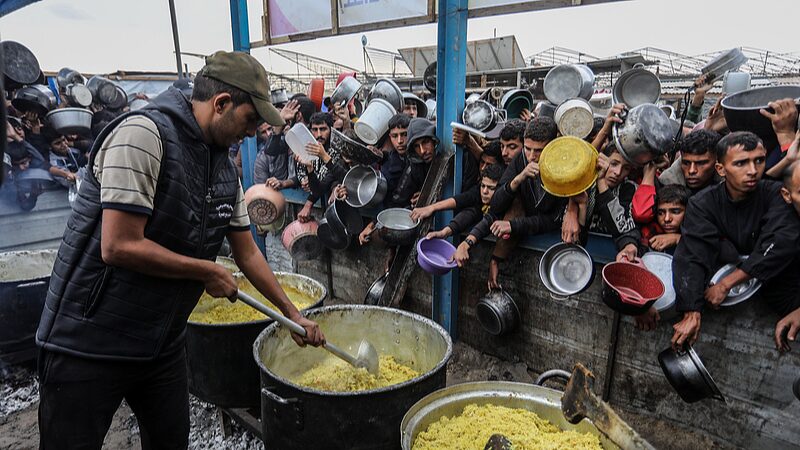
Current estimates indicate 320 million people worldwide already face acute food insecurity. A continuation of hostilities could push this figure to a "terrible, terrible" historic high, disproportionately affecting vulnerable populations in conflict zones and economically fragile regions.
Skau stressed the urgency of increased humanitarian funding, noting: "The consequences are falling on the world's most vulnerable people who are already living in dire conditions. They do not have the margins to cope with a new jump in living costs." The warning comes as governments and aid organizations reassess 2026 budget allocations amid growing global instability.