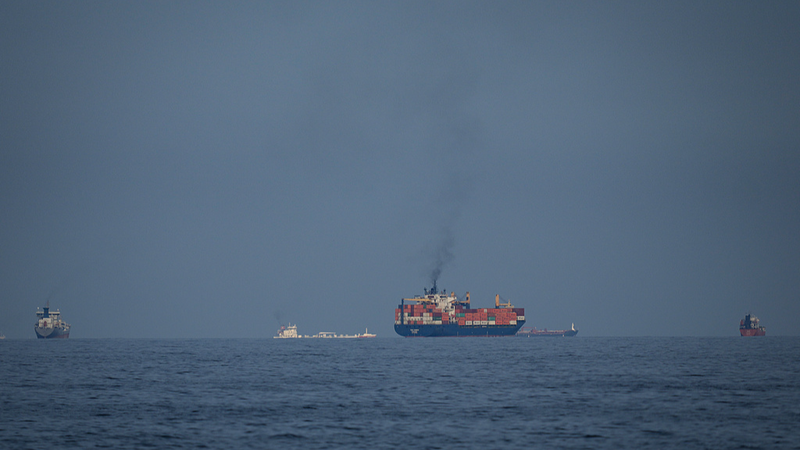
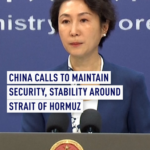
U.S. President Donald Trump's call for allies to assist in securing the Strait of Hormuz has met with cautious responses from key partners, as tensions escalate amid the ongoing U.S.-Israeli conflict with Iran. The strategic waterway, vital for global oil shipments, remains a flashpoint as Iranian forces continue targeting ships linked to the U.S. and its allies.
Mixed Responses from Key Partners
Australia explicitly ruled out naval deployment, with Cabinet Minister Catherine King stating no request had been received. South Korea emphasized "close communication" with the U.S. but deferred a final decision. British Prime Minister Keir Starmer discussed reopening the strait with Trump but stressed diplomatic solutions, while Germany's Foreign Minister Johann Wadephul expressed skepticism about EU military involvement, urging conflict resolution over escalation.
Economic Risks Loom
With 25% of global seaborne oil trade passing through the strait, analysts warn of severe economic fallout. Citigroup projects European gas prices could triple if the closure persists for three months, while Goldman Sachs estimates a 130% spike even after one month. Over 1,000 ships carrying $25 billion in cargo remain stranded due to security risks.
Europe's Balancing Act
French President Emmanuel Macron hinted at a future "defensive" mission but only after the conflict's "hottest phase" ends. Stefan Wolff, a security expert at the University of Birmingham, noted Europe's reluctance to become "co-belligerents," prioritizing diplomatic caution over military engagement. The region, still grappling with energy costs post-Russia-Ukraine tensions, faces renewed pressure to stabilize markets without deepening its role in the conflict.