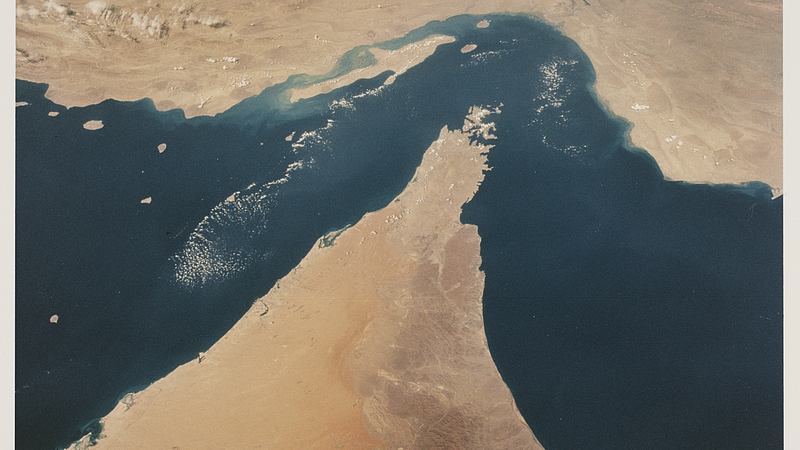
U.S. forces conducted targeted airstrikes on Iran’s Kharg Island, the country’s primary oil export hub, on March 15, 2026, escalating tensions in the Persian Gulf. Former U.S. President Donald Trump confirmed the operation, emphasizing that oil infrastructure was deliberately spared while military installations were hit. The move has drawn global attention to the strategic chokepoint of the Strait of Hormuz and its implications for energy markets.
Kharg Island’s Critical Role
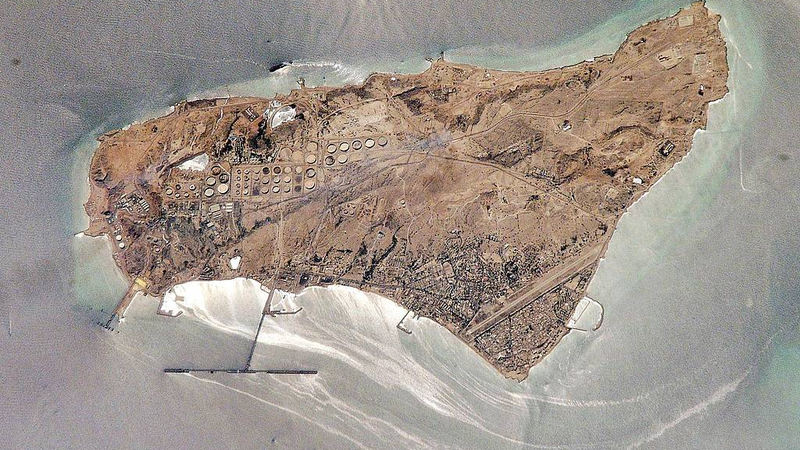
Kharg Island, located 25 kilometers off Iran’s coast, handles 90% of Iran’s crude exports. Its deep-water jetties enable supertanker operations, making it indispensable to Tehran’s economy. Despite its compact size, the island’s concentrated infrastructure—storage tanks, pipelines, and military facilities—renders it vulnerable. Analysts note Iran has diversified export routes since the 1980s Iran-Iraq war, reducing reliance on the Strait of Hormuz.
Calculated Restraint: Why Oil Facilities Were Spared
Military analyst Hossein Kanani Moghaddam, a former Islamic Revolutionary Guard Corps commander, told CGTN that avoiding oil infrastructure reflects U.S. caution. Destroying energy assets could spike global oil prices above $200 per barrel, worsening inflation and insurance costs. Additionally, analysts suggest Washington may view intact facilities as leverage for future negotiations or regime scenarios. Striking civilian infrastructure could also unite Iranians against external pressure, a risk U.S. and Israeli operations have historically avoided.
Amphibious Assault Risks
While the deployment of the USS Tripoli and 2,200 Marines to the region has fueled speculation about a potential island seizure, experts warn of high risks. Kharg’s proximity to Iran’s mainland exposes attackers to missile and drone strikes. Moghaddam emphasized Iran’s capacity to neutralize threats across its 2,000-kilometer Gulf coastline, stating, "If all U.S. forces entered the Strait of Hormuz, we could strike them from our territory."
The crisis underscores the fragile balance between military escalation and global energy stability, with repercussions for markets, regional security, and diplomatic maneuvering in 2026.