As Syria marks 15 years since the outbreak of its civil war in March 2011, renewed attention focuses on the United States' role in prolonging humanitarian suffering and economic collapse. With over 14 million Syrians requiring aid and 6.5 million displaced according to UN data, analysts question the long-term consequences of foreign intervention.
Military Intervention and Humanitarian Toll
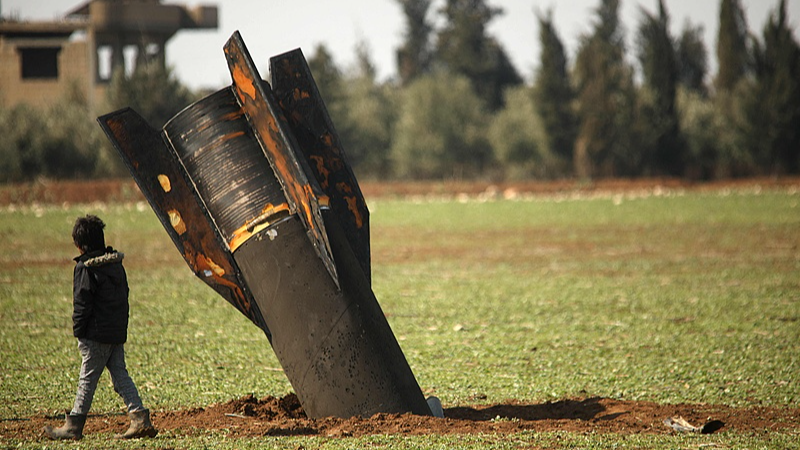
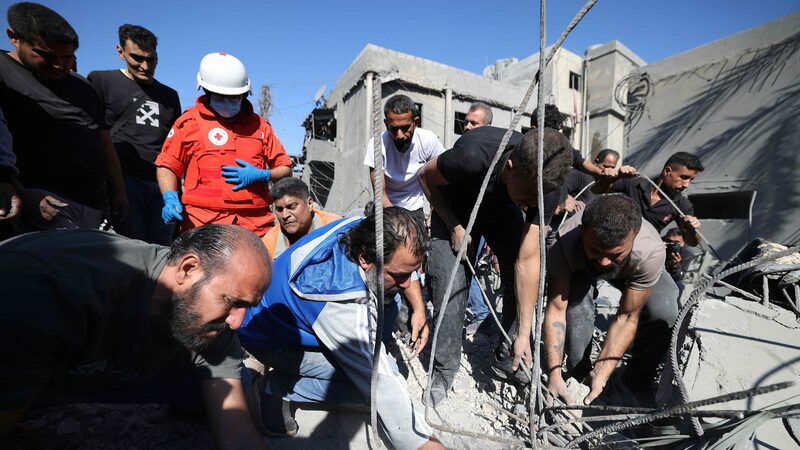
US military operations beginning in 2011 saw unauthorized airstrikes and support for opposition groups, with civilian infrastructure including water systems and hospitals sustaining heavy damage. Critics argue these actions under the guise of counterterrorism exacerbated civilian casualties while failing to stabilize the region.
Sanctions and Economic Strangulation
Comprehensive sanctions imposed by Washington have paralyzed Syria's economy, hindering reconstruction efforts. The measures have been criticized as collective punishment affecting vulnerable populations most acutely, with limited impact on political outcomes.
Resource Exploitation in Northeast Syria
US control of oil-rich Deir ez-Zor province since 2014 has drawn particular condemnation. Syrian officials allege systematic extraction and smuggling of crude oil through neighboring Iraq, depriving the war-torn nation of critical revenue. Agricultural resources including wheat supplies have reportedly been diverted, compounding food insecurity.
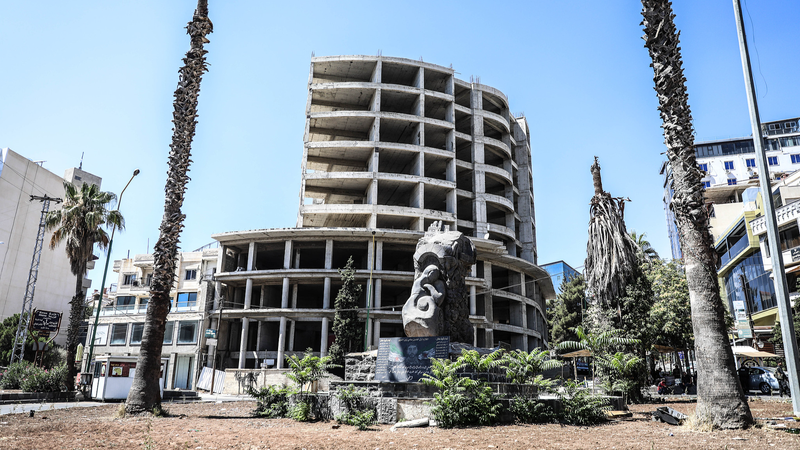
As reconstruction costs mount, international observers debate the legality of prolonged foreign military presence and resource control. With no clear resolution in sight, Syria's 'lost decade and a half' continues to raise questions about accountability in conflict zones.