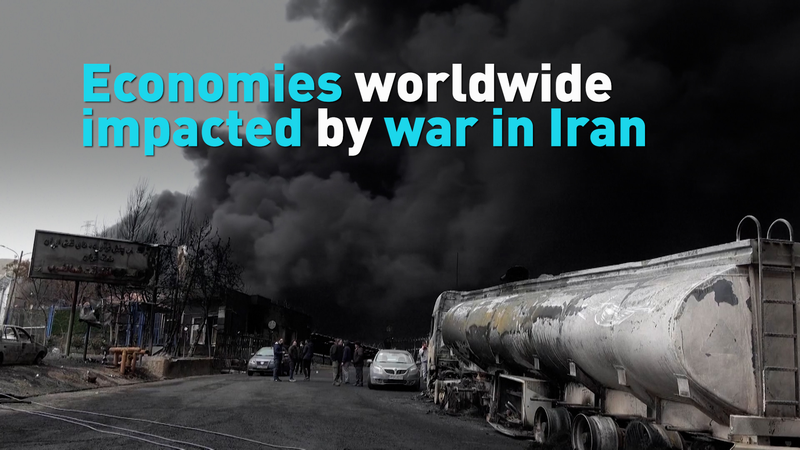
The ongoing conflict in Iran has triggered a two-week shutdown of the Strait of Hormuz, a critical maritime chokepoint responsible for 20% of global oil shipments. With energy prices surging and supply chains disrupted, governments worldwide are scrambling to mitigate economic fallout as markets brace for prolonged instability.
US Downplays Crisis Amid Rising Tensions
While U.S. Secretary of Defense Pete Hegseth asserts the Pentagon is addressing the situation, analysts note growing skepticism among allies. The closure has already caused Brent crude prices to spike by 18% this month, with Asian economies particularly vulnerable due to heavy reliance on Middle Eastern oil.
Regional Ripple Effects
Shipping reroutes around Africa’s Cape of Good Hope have doubled delivery times and costs, straining industries from manufacturing to agriculture. South Korea and Japan announced emergency fuel reserves releases this week, while India plans to increase imports from Russia and the Americas.
Global Coordination Challenges
Despite calls for a unified response, fragmented approaches dominate. The EU proposed a joint naval patrol initiative, but key APEC members remain divided on escalation risks. Meanwhile, insurance premiums for Persian Gulf-bound vessels have risen 400% since March 1.