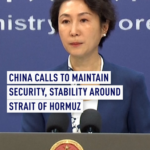
The ongoing military confrontation between the US-Israel coalition and Iran has triggered what the International Energy Agency (IEA) calls "the largest oil supply shock in history," with severe repercussions for households worldwide. Since February 28, 2026, Tehran's blockade of the Strait of Hormuz – a vital corridor for 25% of global seaborne oil trade – has reduced March supplies by 8 million barrels daily, equivalent to 8% of global demand.
Price Surges and Economic Fallout
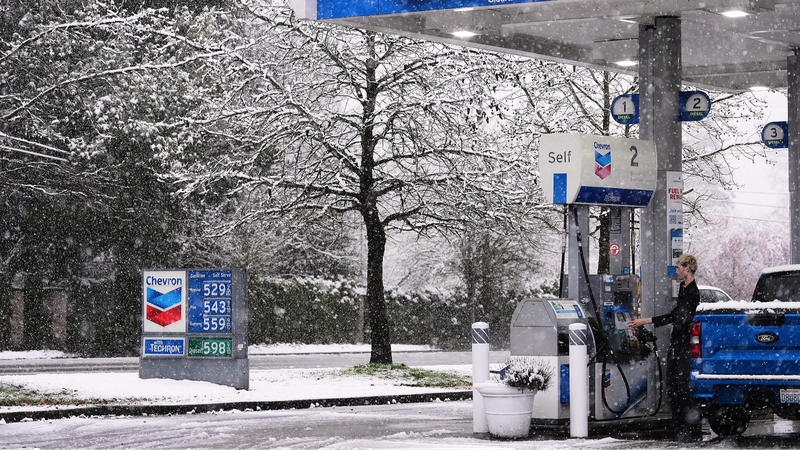
Brent crude futures surpassed $104 per barrel this week, marking a 40% increase since pre-conflict levels. US gasoline prices have jumped over 20% in two weeks, reaching 2024 peaks, while eurozone families face fuel costs rivaling the 2022 energy crisis. ING economists warn of weakened consumer confidence and constrained spending across stagnant economies.
Emergency Measures and Lasting Risks
IEA members have authorized a record 400 million-barrel emergency reserve release, including 172 million barrels from the US and 80 million from Japan. Despite this, analysts caution that sustained disruptions could keep oil prices elevated through much of 2026, threatening inflation persistence and recessionary pressures in import-dependent nations.
Military Tensions Intensify
Conflict dynamics escalated on March 13 when US forces struck Iran's Kharg Island oil terminal, responsible for 90% of Iranian crude exports. This followed Supreme Leader Mojtaba Khamenei's vow to maintain the Hormuz blockade. With no diplomatic resolution in sight, energy markets remain braced for further volatility.