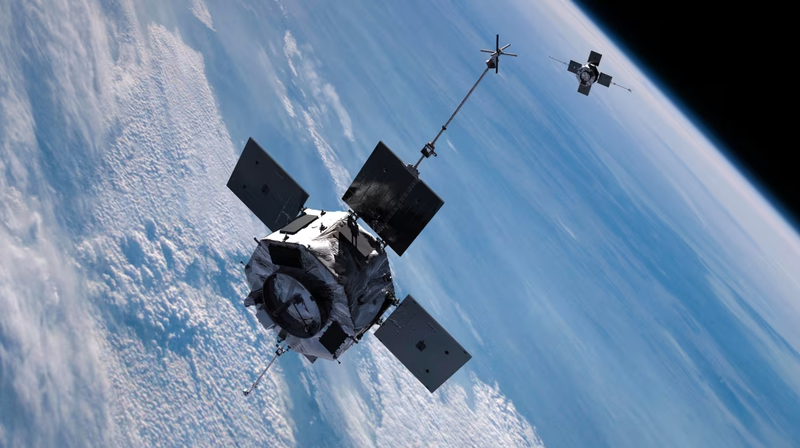
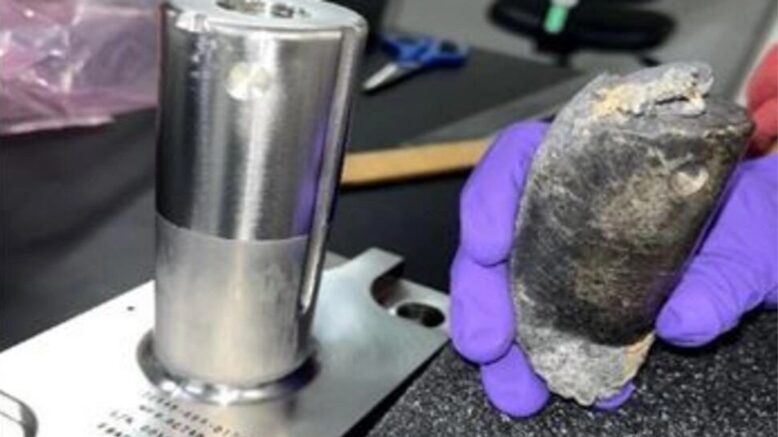
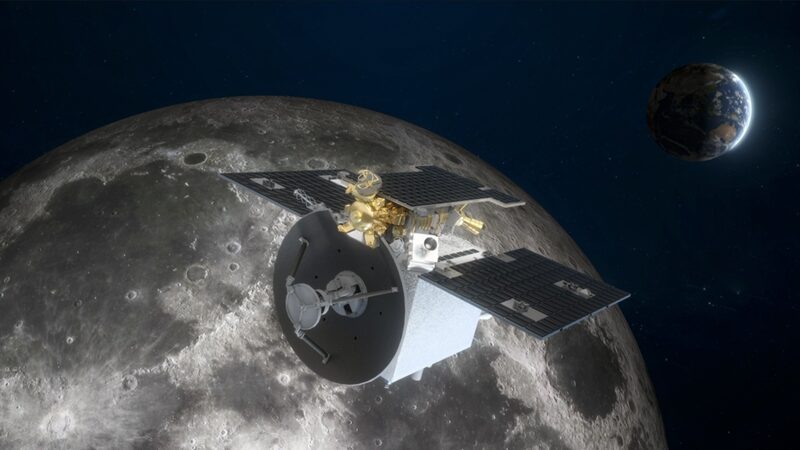
NASA’s retired Van Allen Probe A reentered Earth’s atmosphere on March 10, 2026, nearly a decade earlier than initially projected, due to unexpectedly intense solar activity. While most of the 600-kilogram spacecraft burned up during descent, NASA confirmed a small probability—1 in 4,200—of surviving debris causing harm. The U.S. Space Force tracked its trajectory, which concluded over oceans, minimizing risks to populated areas.
Legacy of the Van Allen Probes
Launched in 2012, the twin Van Allen Probes studied Earth’s radiation belts, critical shields against solar storms and cosmic radiation. Their data revolutionized understanding of space weather’s impact on satellites, power grids, and communication systems. Originally slated for a two-year mission, both probes operated until 2019, far exceeding expectations.
Why the Early Return?
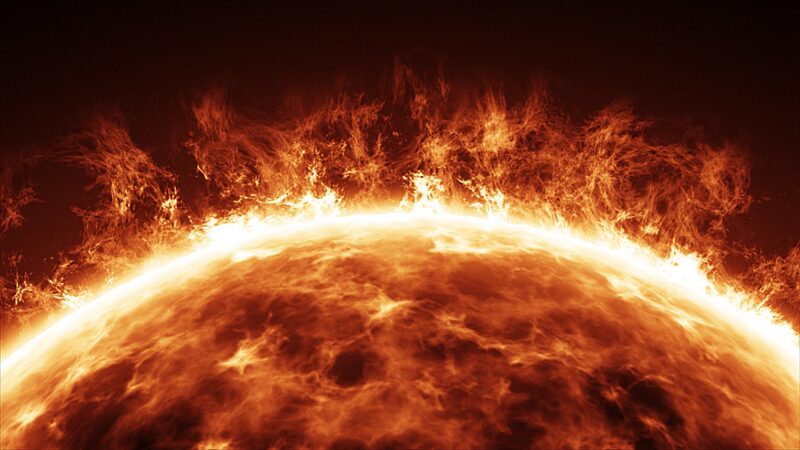
Solar maximum conditions, confirmed in 2024, increased atmospheric drag on Probe A, accelerating its orbital decay. NASA had initially projected reentry around 2034 but revised estimates this year as solar activity intensified. Probe B remains on track for disposal by 2034.
Broader Implications
This event highlights challenges in managing space debris amid unpredictable solar cycles. Under NASA guidelines, spacecraft must be deorbited or moved to graveyard orbits within 25 years of mission completion. However, as Probe A’s case shows, solar variability complicates long-term planning, urging advancements in space-weather forecasting.
Scientists stress the need for global collaboration to mitigate risks, particularly as satellite deployments surge worldwide. For now, NASA reassures the public that protocols remain robust, with debris-related injuries statistically rarer than lightning strikes.