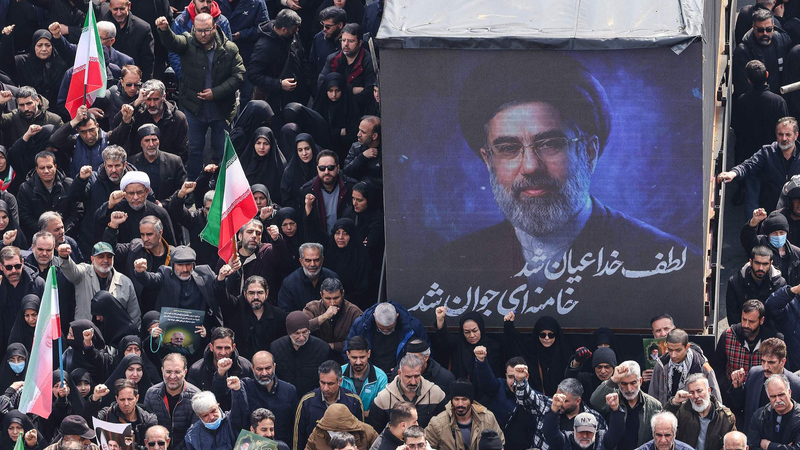
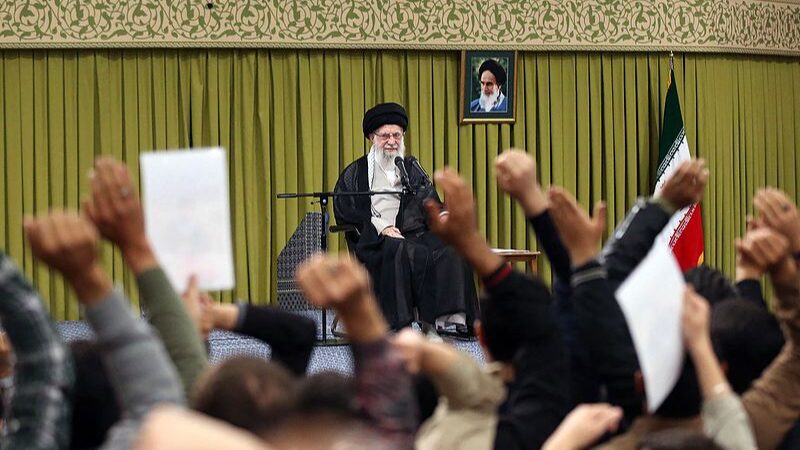
Iran's Supreme Leader Mojtaba Khamenei declared on Thursday that the strategic Strait of Hormuz will remain closed indefinitely, framing the move as a response to ongoing U.S.-Israeli military operations targeting Iranian infrastructure. The 56-year-old leader, who recently assumed his role following the death of his father Ayatollah Ali Khamenei, warned of retaliatory strikes against all U.S. military bases in the region if attacks persist.
A New Chapter in Regional Conflict
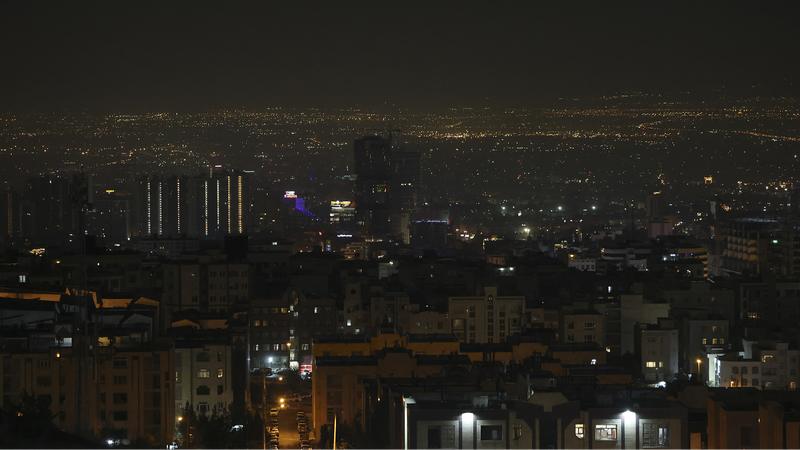
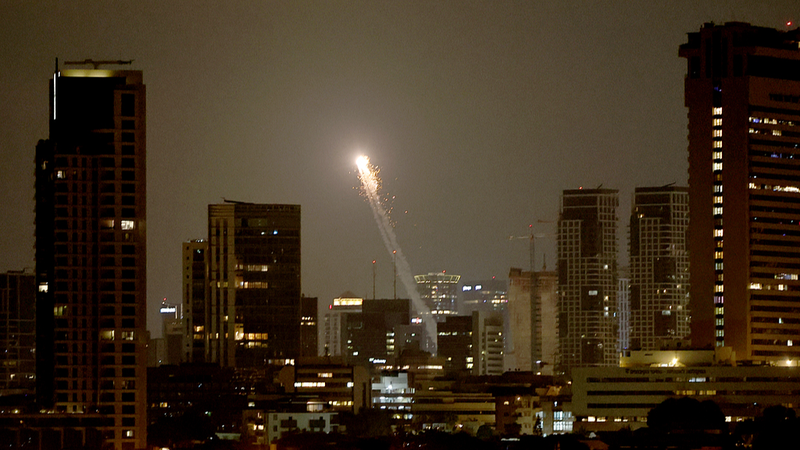
Khamenei's remarks mark his first public address since taking office, signaling a hardening stance amid intensified airstrikes launched by the U.S. and Israel on February 28. These operations have reportedly targeted nuclear facilities, missile depots, and naval assets, prompting Iranian counterstrikes on Israeli territory and U.S. positions across the Gulf.
Expanding the Battlefront
The leader emphasized plans to open "new fronts" in the conflict, citing studies to exploit perceived vulnerabilities in adversary strategies. "If this war continues, we will act decisively where the enemy is inexperienced and weak," he stated, without specifying locations. Analysts suggest this could escalate regional instability, particularly given the Strait of Hormuz’s role in global oil transit.
Global Reactions and Implications
U.S. President Trump claimed the campaign has achieved "major victories," while Israeli Prime Minister Benjamin Netanyahu insisted operations are "far from over." Meanwhile, maritime insurers report rising premiums for vessels near the Persian Gulf as the closure disrupts 21% of global oil shipments, intensifying pressure on energy markets.