Nigeria is intensifying efforts to mitigate economic risks linked to rising Middle East tensions, with the finance ministry confirming on March 11, 2026, that policymakers are evaluating potential impacts on oil markets and fiscal stability. The move follows heightened concerns over disruptions to global energy supplies and logistics networks.
Government Mobilizes Economic Team
Finance Minister Wale Edun convened the Economic Management Team this week to analyze how conflicts involving the United States, Israel, and Iran could destabilize crude prices and capital flows. The ministry highlighted risks of prolonged volatility, particularly if tensions affect the Strait of Hormuz—a critical chokepoint for oil shipments.
Domestic Inflation Pressures Loom
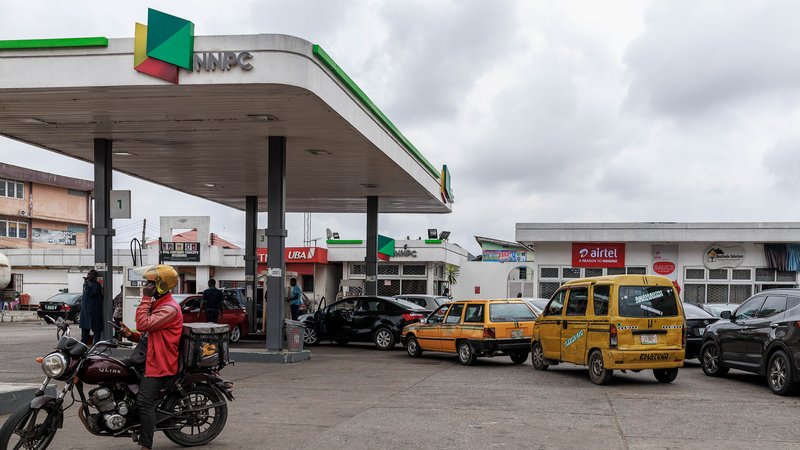
Rising global crude prices have already increased costs for fuel, diesel, and fertilizer, with officials warning that sustained instability could worsen inflation. Nigeria’s central bank is closely tracking exchange rate pressures and foreign reserve levels to safeguard investor confidence.
Growth Momentum Offers Buffer
Despite external risks, the ministry noted Nigeria’s economy remains resilient, citing 4.07% GDP growth in the fourth quarter of 2025. Authorities pledged to adjust fiscal and monetary policies as needed to protect households and businesses from global shocks.