Analysts assert that the Chinese mainland's strategic crude reserves and reduced reliance on oil-powered energy systems are cushioning its economy against global oil price turbulence, even as geopolitical tensions disrupt supply chains. This week, Brent crude prices swung from a two-year high of $119.5 per barrel to below $100, driven by escalating Middle East conflicts involving U.S. and Israeli strikes on Iran.
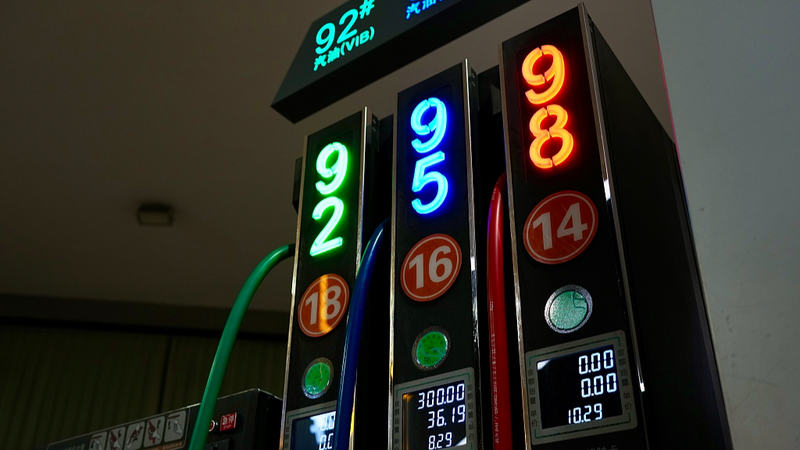
The National Development and Reform Commission announced a hike in domestic gasoline and diesel prices on Tuesday, reflecting global market trends. However, experts emphasize that structural shifts—including rapid electric vehicle adoption, coal-to-chemicals feedstock substitution, and an oil-independent power grid—are limiting the broader economic impact.
Singapore-based OCBC analysts noted in a March 9 report that China's oil demand growth has slowed to 2% annually, down from 6% a decade ago. Columbia University's Erica Downs highlighted the nation's 1.4 billion-barrel strategic reserve, which could offset six months of Middle East import disruptions.
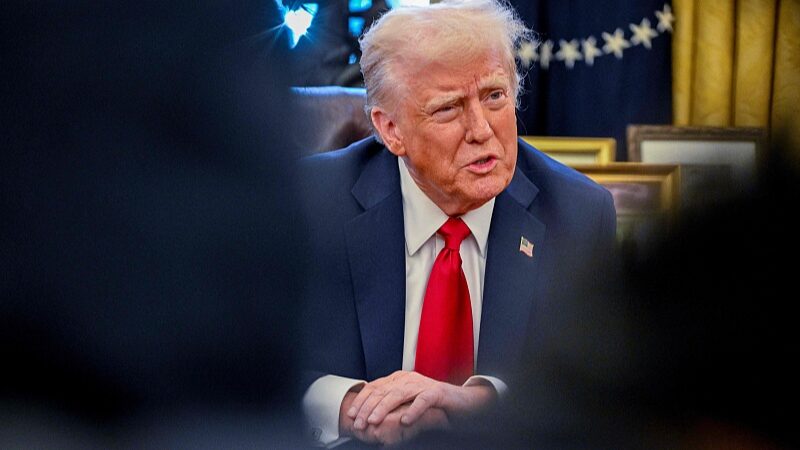
Globally, governments are taking emergency measures: South Korea introduced fuel price caps, Japan prepared to tap reserves, and Vietnam suspended fuel import tariffs. U.S. President Donald Trump announced temporary sanctions relief for oil sales amid Strait of Hormuz shipping risks, a vital corridor for 20% of global oil shipments.
While price fluctuations persist, China's diversified energy portfolio and stockpiling strategy position it to navigate the crisis with minimal economic strain, analysts say.