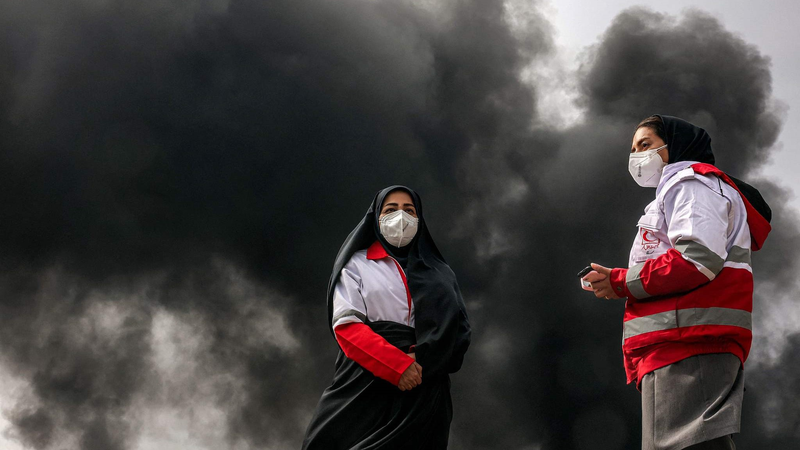
Residents of Tehran awoke to an apocalyptic scene on Sunday, March 8, 2026, as thick black smoke from burning oil facilities plunged Iran's capital into darkness. The aftermath of reported US-Israeli airstrikes triggered fires that raged for hours, releasing toxic pollutants into the air. By mid-morning, the city experienced an unprecedented environmental phenomenon: black, oily rain staining streets and skin alike.
A 44-year-old engineer described the surreal scene to Time magazine: "I can't believe it, I'm seeing black rain." Scientists warn the precipitation contains acidic compounds formed when industrial pollutants bind with atmospheric moisture. While normal rainwater has a pH of 5.6, initial tests suggest this toxic downpour measures below 5.2—officially classifying it as acid rain.
The attacks targeted multiple oil depots critical to Iran's energy infrastructure. Emergency crews continue battling blazes amid concerns about long-term environmental damage and public health risks. Local hospitals report increased admissions for respiratory distress, particularly among children and elderly residents.
This incident marks one of the most severe environmental consequences of modern urban warfare in the Middle East. Analysts predict lasting impacts on Tehran's air quality and water systems, with potential ramifications for regional stability and global energy markets.