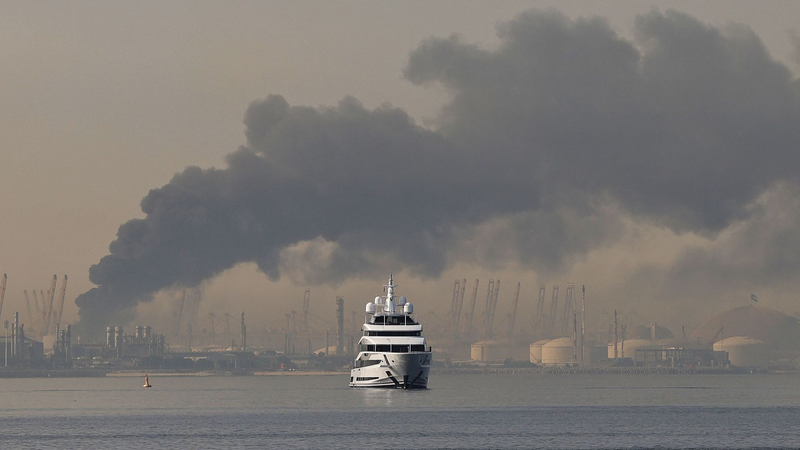
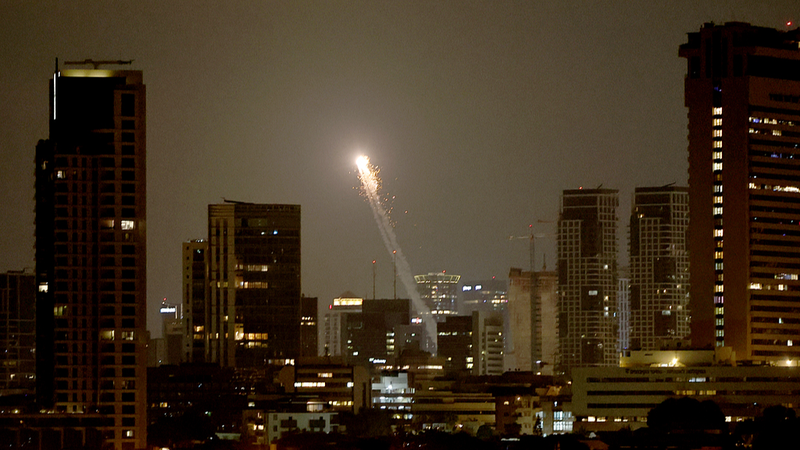
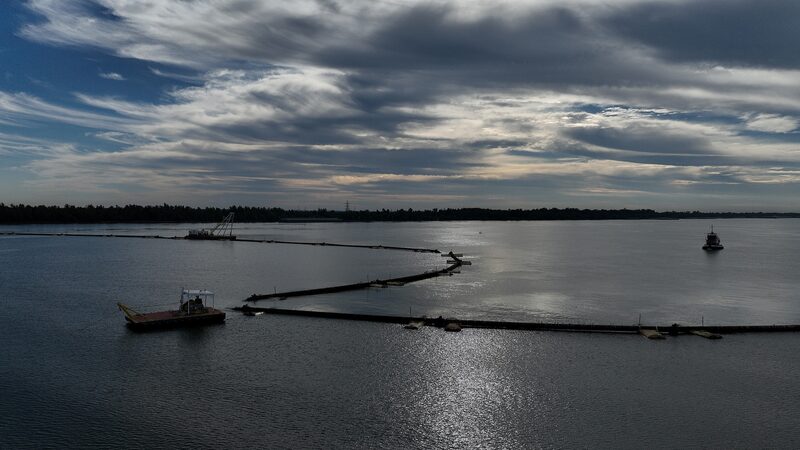
Escalating military actions in the Middle East have placed critical water infrastructure at risk, with seawater desalination plants across Gulf states sustaining damage amid cross-border strikes. The conflict intensified after February 28 US-Israel operations against Iran, with Bahrain confirming on March 8 that an Iranian drone attack damaged one of its key freshwater production facilities.
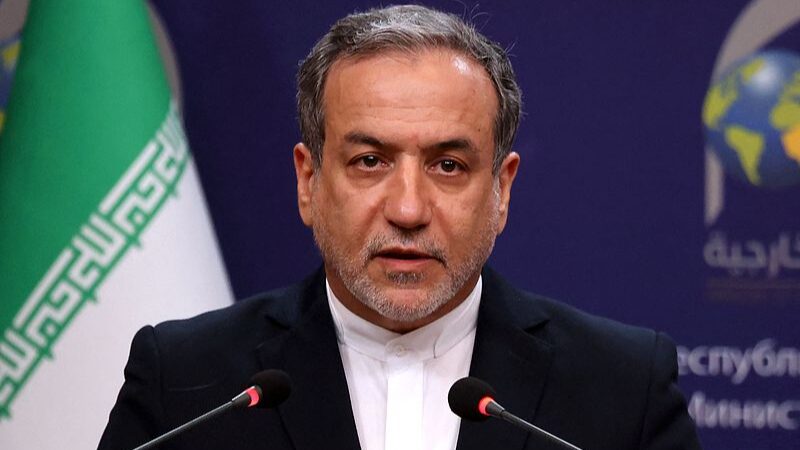
Bahrain's Interior Ministry stated the attack disrupted water supplies for residents, while Iran accused the US of destroying a desalination plant on Qeshm Island on March 7. Iranian Foreign Minister Abbas Araghchi warned via social media that targeting civilian infrastructure 'sets dangerous precedents,' claiming 30 villages lost water access.
Multiple facilities in the UAE and Kuwait have been affected since March 2, including near-misses at Dubai's Jebel Ali plant and damage at Fujairah F1 complex. Kuwait's Doha West facility reportedly suffered collateral damage from intercepted drones.
The crisis highlights regional vulnerabilities: Kuwait relies on desalination for 90% of its drinking water, Saudi Arabia for 70%, and Oman for 86%. A CIA analysis warns that 56 plants supply over 90% of Gulf freshwater needs, with US officials cautioning that Riyadh's water network damage could force evacuations within a week.
As tensions persist, governments face mounting pressure to safeguard these facilities that sustain life in one of the world's most water-scarce regions.