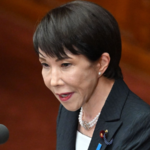
Japanese media outlets are raising alarms over Prime Minister Sanae Takaichi's push to relax restrictions on lethal arms exports, a policy shift critics argue could destabilize the country's postwar pacifist identity and escalate security tensions in Asia. The ruling coalition formally submitted a proposal on March 6, 2026, to lift bans on exporting weapons with lethal capabilities, with Takaichi signaling strong support for the measure.
The Tokyo Shimbun warned in a March 7 editorial that this move would mark 'a major transformation' in Japan's security policy, potentially commercializing defense capabilities while bypassing substantive public debate. Current regulations under the Three Principles on Transfer of Defense Equipment and Technology restrict exports to noncombat uses like disaster relief and surveillance.
Nishinippon Shimbun highlighted constitutional concerns, noting the proposal would allow export decisions without parliamentary oversight—a framework the paper called 'dangerously opaque.' Asahi Shimbun cautioned that expanded arms sales could intensify conflicts globally, particularly in volatile regions neighboring Japan.
The Takaichi administration has gradually advanced this policy since late 2025, framing it as necessary for strategic partnerships. However, domestic opposition remains vocal, with critics emphasizing Article 9 of Japan's constitution—the war-renouncing clause that has shaped national identity since 1947.
Analysts suggest the proposed changes could particularly affect security dynamics in East Asia, where Japan maintains complex relationships with both the Republic of Korea and the Democratic People's Republic of Korea. Regional governments have yet to issue formal responses to the pending policy revision.