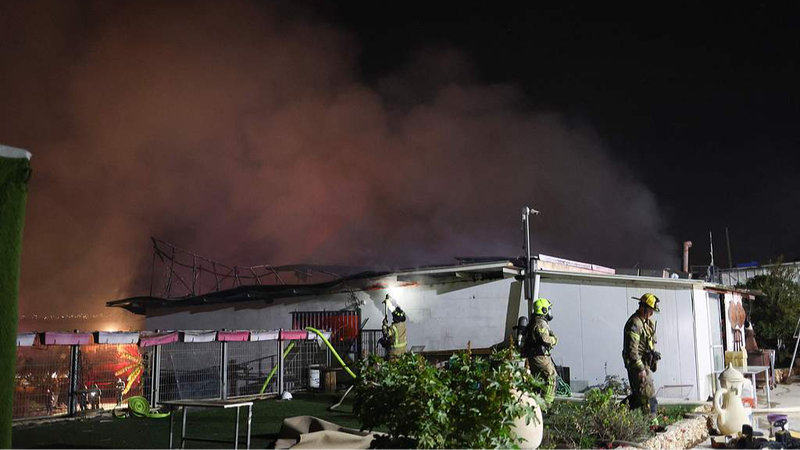
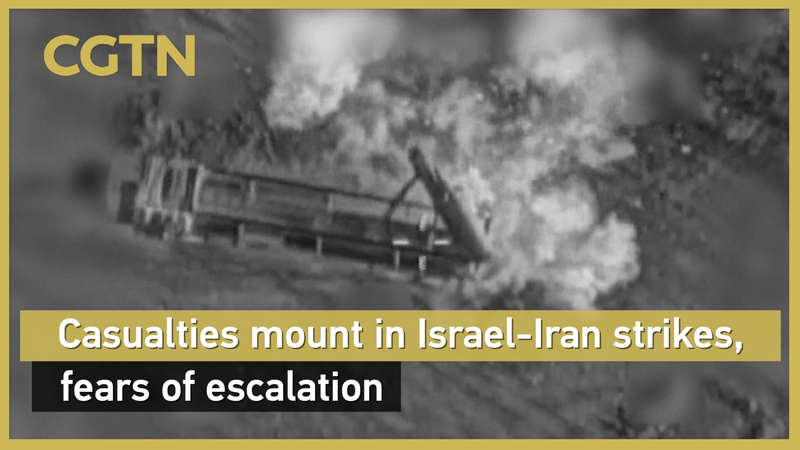
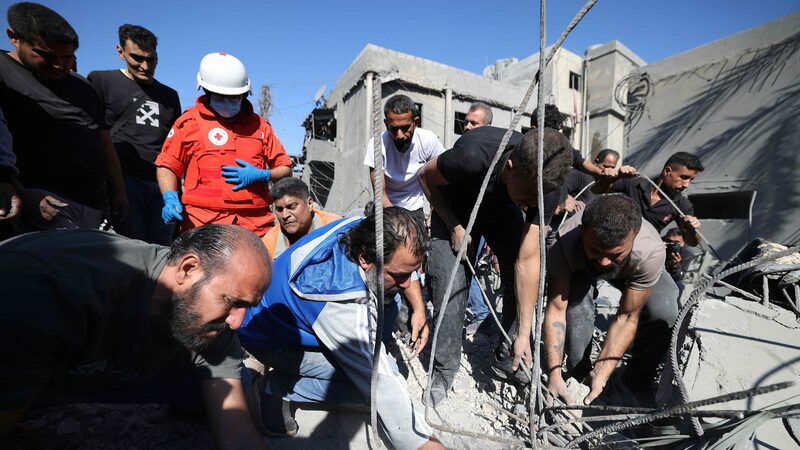
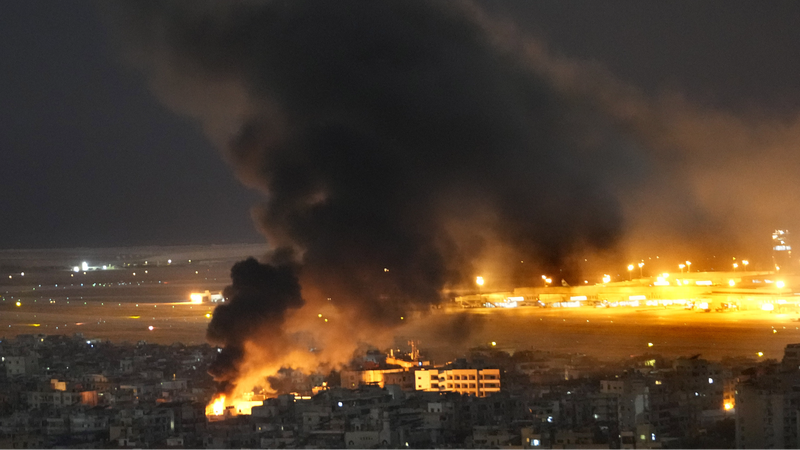
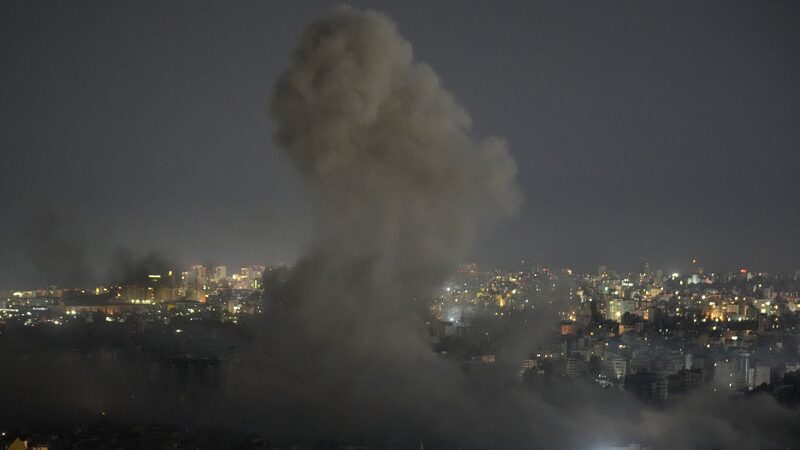
As cross-border hostilities between US-Israeli forces and Iran enter their sixth day, regional tensions have reached unprecedented levels with mounting casualties and expanding military operations. The conflict, which began on February 28, 2026, has claimed 1,230 Iranian lives according to the Foundation of Martyrs and Veterans Affairs, while over 6,180 injuries have been reported by health authorities.
Israeli Military Chief Eyal Zamir announced a strategic shift in operations Thursday, stating forces will intensify strikes against what he called "the Iranian government's foundations." This follows Israel's initial campaign targeting ballistic missile infrastructure, with Zamir vowing "further surprising moves" against Iranian assets.
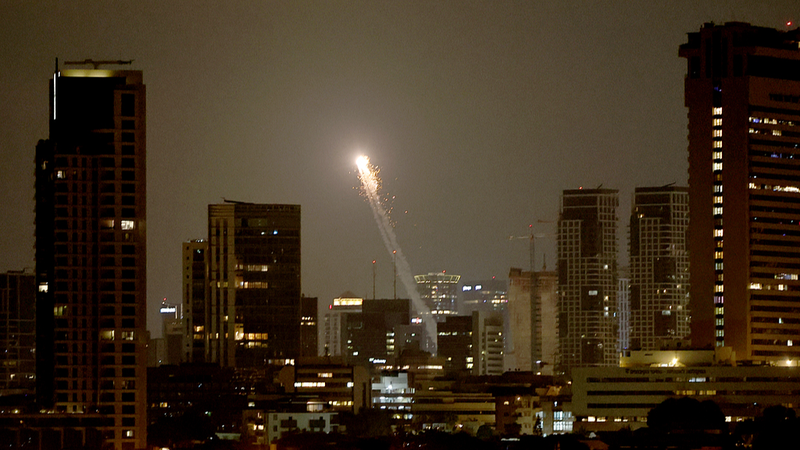
Iran's Islamic Revolutionary Guard Corps claims recent successes including strikes on a US naval vessel in the Indian Ocean and a missile defense radar in the UAE. The IRGC maintains its 21st wave of drone attacks on Tel Aviv this week as part of "Operation True Promise 4," retaliation for Saturday's strike that killed Supreme Leader Ali Khamenei.
With the Pentagon reportedly seeking extended operational support through September 2026, security analysts warn of prolonged regional instability. While US President Trump remains optimistic, military experts caution about the risks of a protracted attrition war given asymmetrical combat costs between the sides.
As cross-strait diplomatic channels remain frozen, Secretary of Iran's Supreme National Security Council Ali Larijani issued a stark warning against potential US ground operations: "Our armed forces await any American troops at our borders." The conflict continues to disrupt shipping lanes and energy markets, with Brent crude prices climbing 18% since hostilities began.