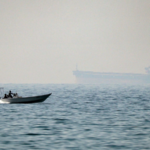
As tensions escalate in Iran, the closure of the Strait of Hormuz has brought global trade to a crossroads, with oil prices surging 16% since March 2026 and supply chains facing unprecedented strain. This 33km-wide chokepoint, flanked by Iran and Oman, serves as the artery for 30% of the world’s seaborne oil shipments, making its current paralysis a crisis with planetary consequences.
The Current Crisis
Since Iran halted tanker traffic through the strait last week, over 200 cargo ships have been stranded in the Gulf or forced to reroute around Africa’s southern tip – adding 14 days and $1 million in fuel costs per voyage. Air cargo operations across the Middle East have also stalled, disrupting deliveries of Indian pharmaceuticals, Asian semiconductors, and Middle Eastern fertilizers critical to global agriculture.
A Geographic Lifeline
The strait’s strategic value stems from its unique position as the only sea route connecting Persian Gulf oil producers – including Saudi Arabia, Iraq, and the UAE – to open oceans. Despite lying within Iranian territorial waters, its status as an international shipping corridor has historically ensured unimpeded transit. Each day before the shutdown, 21 million barrels of crude oil flowed through its dual 3.2km-wide lanes – enough to power Germany for a year.
Ripple Effects Beyond Oil
Qatar’s Energy Minister warned this week that prolonged closure could 'redefine global recession,' noting that every month of disruption shaves 0.5% off worldwide GDP growth. The automotive, tech, and agriculture sectors now brace for component shortages, while airlines face jet fuel rationing. U.S. President Donald Trump has vowed to 'resolve price spikes post-conflict,' but economists caution that rebuilding inventory buffers could take until 2027.
Global Calls for Resolution
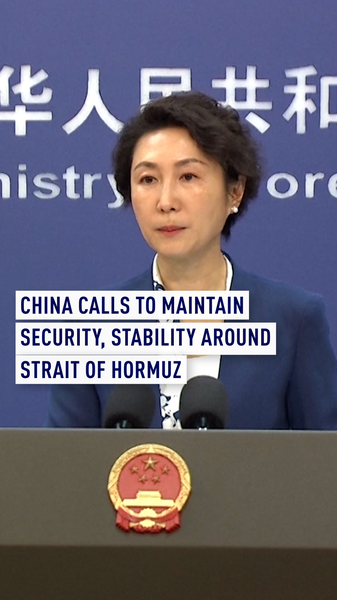
With 16% of global LNG shipments and 25% of containerized goods from Asia to Europe affected, diplomatic efforts intensify to reopen the strait. As the UN Security Council convenes emergency talks, shipping insurers report a 300% surge in war risk premiums – costs ultimately borne by consumers worldwide. For now, all eyes remain on this narrow strip of water where geopolitics and global commerce collide.