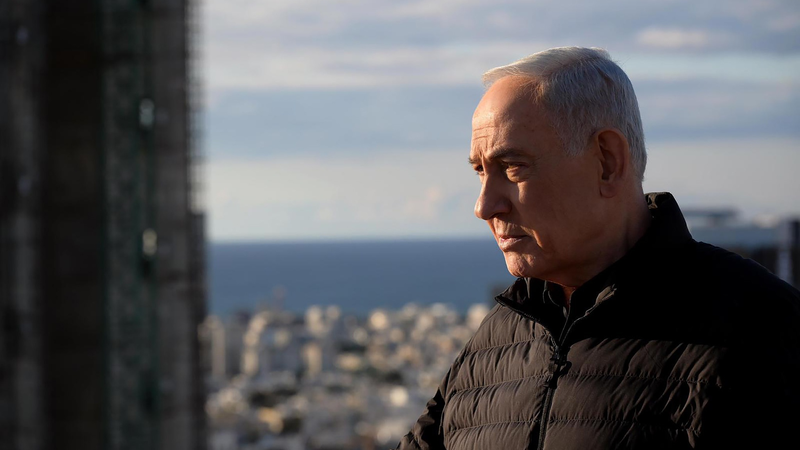
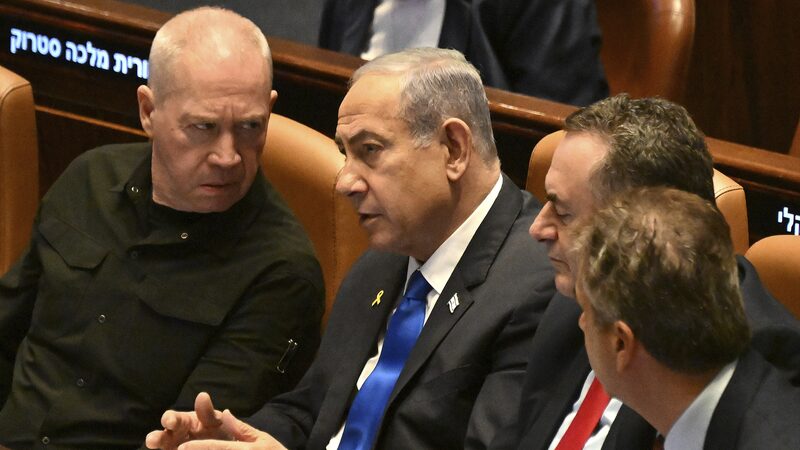
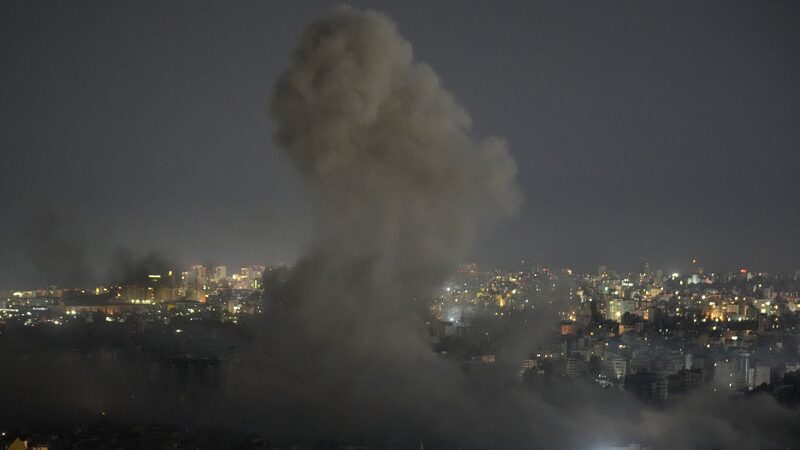
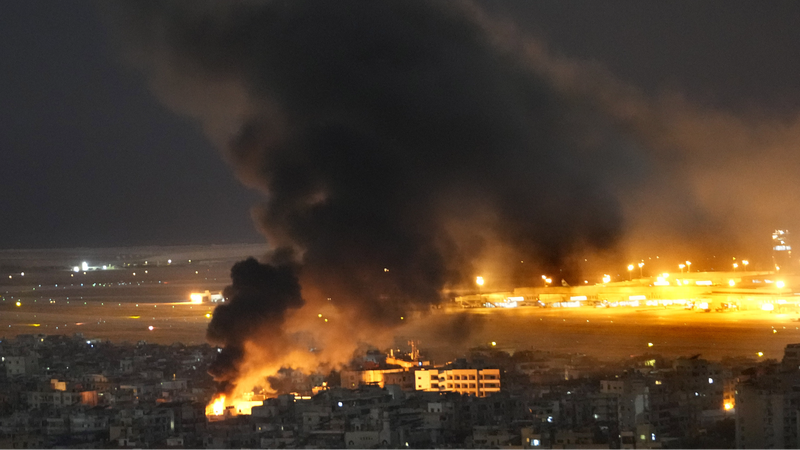
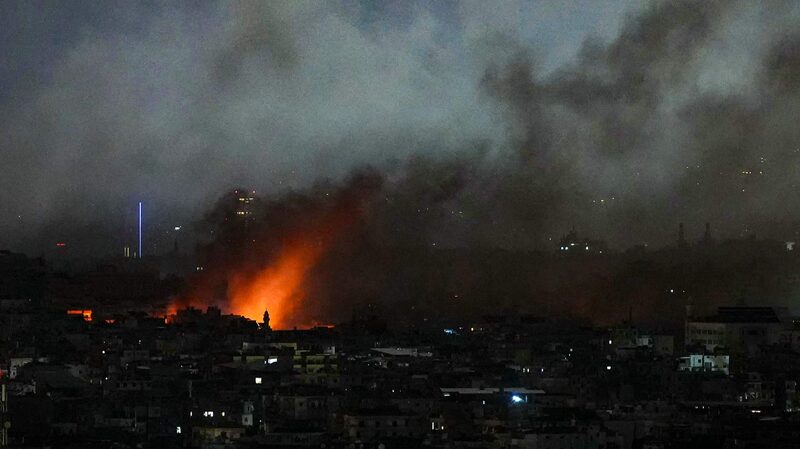
Israeli Prime Minister Benjamin Netanyahu has consolidated domestic support through joint military strikes against Iran, but the escalating conflict risks deepening Israel's international isolation. The campaign, which began in late February 2026 with targeted attacks on Iranian nuclear facilities and leadership figures, has unified Israeli political factions, with opposition leader Yair Lapid calling it a "just war against evil." A recent Israel Democracy Institute poll shows 93% of Jewish Israelis support the operation, revitalizing Netanyahu's political standing ahead of elections.
However, the military action has strained U.S.-Israel relations, with bipartisan lawmakers questioning Washington's involvement. Secretary of State Marco Rubio's remarks about preemptive U.S. action based on Israeli intelligence sparked debates over whether American interests are being prioritized. While President Donald Trump maintains the strikes countered an "imminent Iranian threat," critics argue the move risks entangling the U.S. in a regional conflict without clear strategic goals.
Gulf states have expressed growing frustration, with anonymous officials criticizing the lack of prior consultation about the February 28 strikes. Iran's retaliatory attacks on U.S. assets have further strained regional ties, as oil-producing nations grapple with disrupted airspace and maritime routes. Analysts warn prolonged conflict could erode recent normalization efforts between Israel and Arab states.
"This operation reinforces perceptions that Israel acts under U.S. protection while disregarding regional stability," wrote Chatham House analyst Yossi Mekelberg, highlighting concerns about the campaign's legal and diplomatic implications. As civilian casualties mount in Gaza and Iran vows continued retaliation, Netanyahu faces mounting pressure to balance wartime leadership with Israel's long-term international standing.