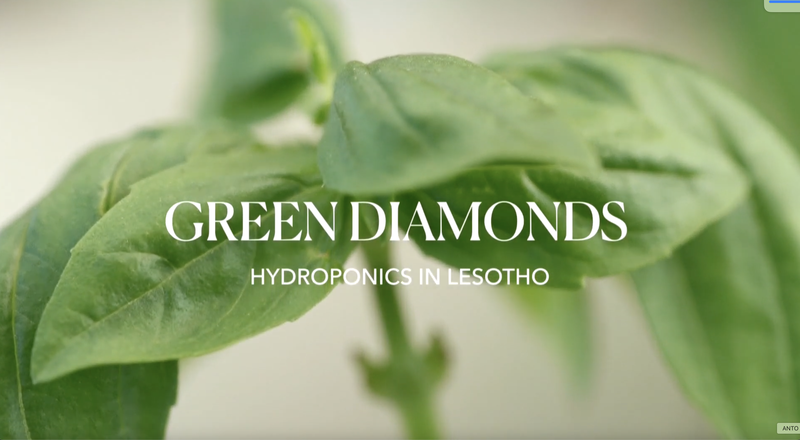
In the highlands of Maseru, a tech-driven agricultural transformation is rewriting the rules of farming. Mochesane Mpali, a former IT specialist turned agri-innovator, has introduced hydroponic systems that enable soil-free crop cultivation – a critical breakthrough for landlocked Lesotho as it confronts record food inflation and climate disruptions in 2026.
With traditional agriculture struggling against erratic rainfall and shrinking arable land, Mpali's modular vertical farms now dot urban rooftops and community centers. 'This isn't just about growing lettuce without soil,' explains the innovator. 'It's about rebuilding food sovereignty in an era when climate and market forces threaten our basic sustenance.'
Recent data shows hydroponic adopters have increased vegetable production by 300% compared to conventional methods, while using 90% less water – a vital advantage in this drought-prone nation. The model particularly empowers women's cooperatives and youth groups through compact, solar-powered units that bypass land ownership barriers.
As global food prices remain volatile, development economists highlight Lesotho's experiment as a potential blueprint for mountainous regions worldwide. The World Food Programme has initiated talks to scale the model across Southern Africa's urban corridors.