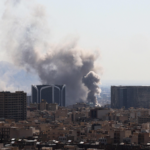
As tensions between the United States, Israel, and Iran escalate in March 2026, African nations face mounting risks to economic stability and regional security. While the conflict centers on Middle Eastern geopolitics, its repercussions ripple across oil markets, migration corridors, and fragile states in Africa.
A Crisis Beyond Borders
Professor David Monda of the City University of New York warns the conflict carries historical significance: "This isn't just another regional flare-up – it's layered with decades of US-Iran tensions since the 1979 Revolution. Israel's involvement alongside the US creates new complexities."
Economic Lifelines at Risk
Africa's connection to Gulf economies remains critical. Over 400,000 Kenyan workers in the Gulf send billions in annual remittances – funds now threatened by regional instability. Maritime trade through the Persian Gulf and Red Sea, vital for African imports and exports, faces disruption risks.
Security Challenges Amplified
The Horn of Africa faces particular vulnerability, where Middle Eastern conflicts often spill into local security dynamics. Professor Monda notes: "Any escalation could strain counterterrorism efforts and refugee management systems already operating at capacity."
As global markets react to March 2026's developments, African governments are urged to strengthen contingency plans for energy security and diaspora protections.