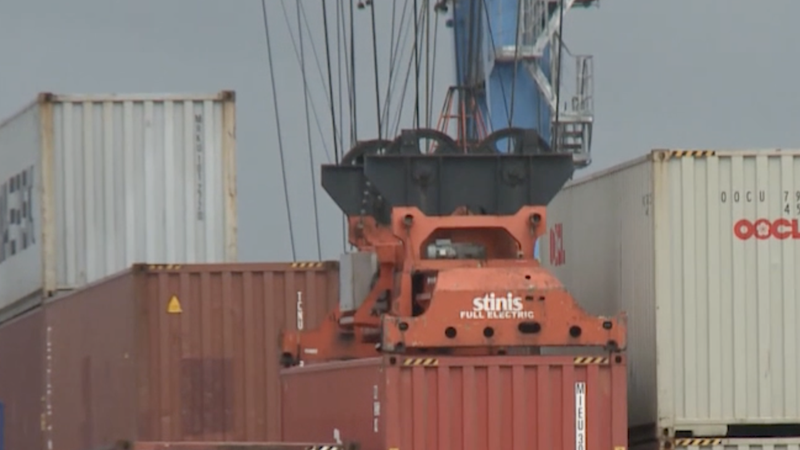
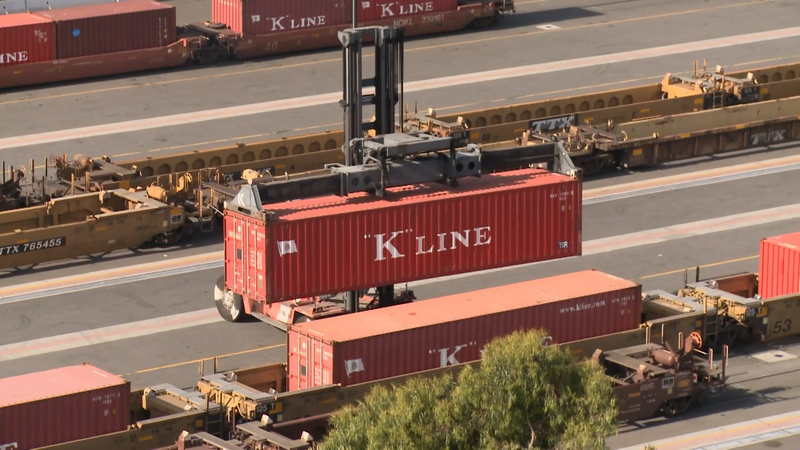
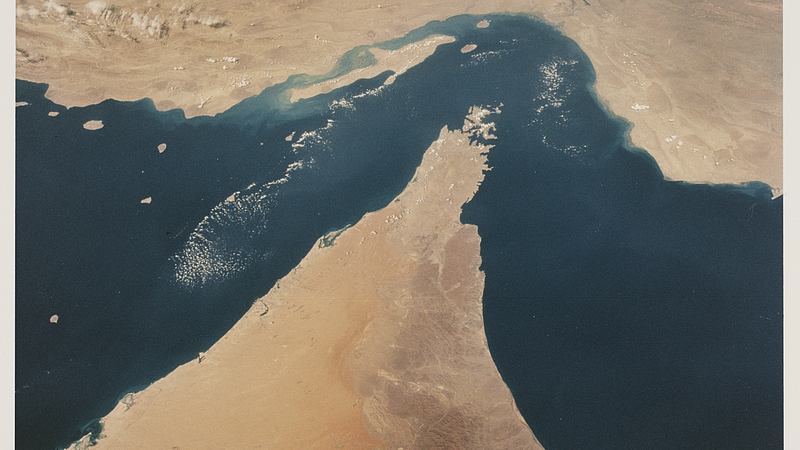
African businesses face mounting logistical challenges following airspace closures in the Middle East triggered by recent regional tensions. The closures, coupled with disrupted shipping along the Strait of Hormuz, have caused freight costs to surge and forced exporters to seek alternative routes and markets.
Kenya’s Flower Industry in Peril
Primarosa Flowers, a Kenyan firm exporting 80% of its produce to the Middle East, saw shipments stranded at Jomo Kenyatta International Airport this week. Sales manager Jay Hirani recounted: "Flight cancellations left us scrambling to retrieve cargo. Our customers couldn’t accept deliveries." The company now faces potential revenue losses as perishable goods risk spoilage.
Broader Economic Ripple Effects
Elijah Mbaru, CEO of the Kenya Ship Agents Association, warned of cascading impacts: "Insurance premiums are rising, fuel costs are up, and rerouted vessels could add 10 days to transit times." These disruptions threaten Africa’s $1.1 billion annual horticulture and tea exports to the Middle East, which peaked in 2024.
Search for Alternatives Intensifies
Exporters are urgently exploring new markets in Europe and Asia, though analysts caution that infrastructure limitations and existing trade agreements may slow this transition. The crisis highlights Africa’s vulnerability to geopolitical shocks in key trade corridors.