International Pressure Mounts Amid Escalating Conflict
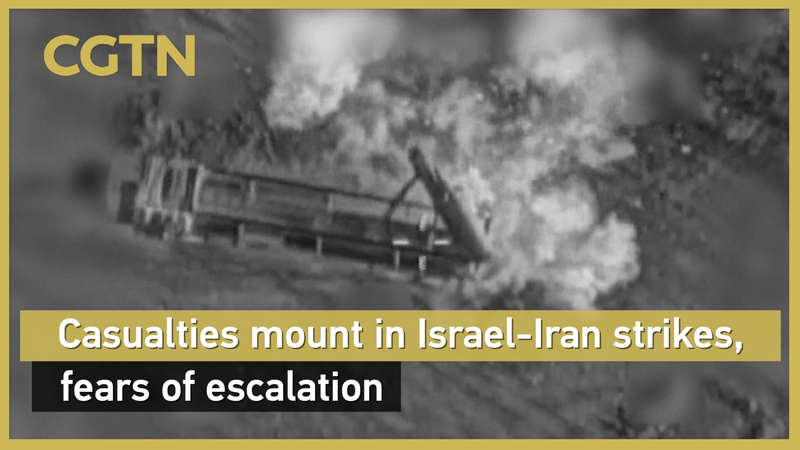
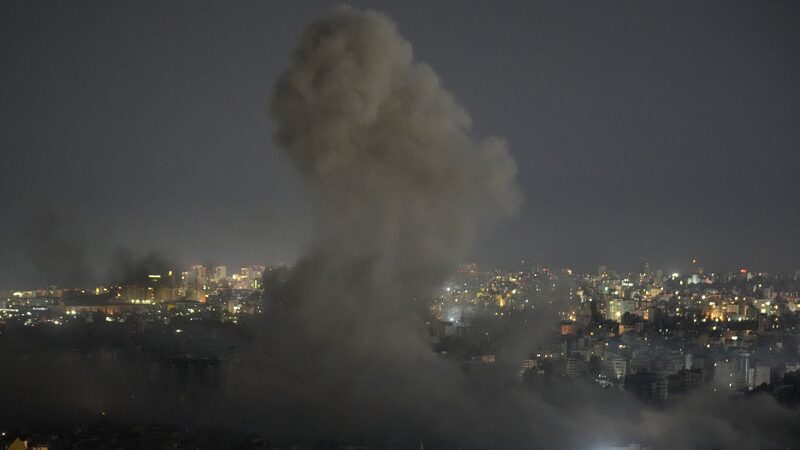
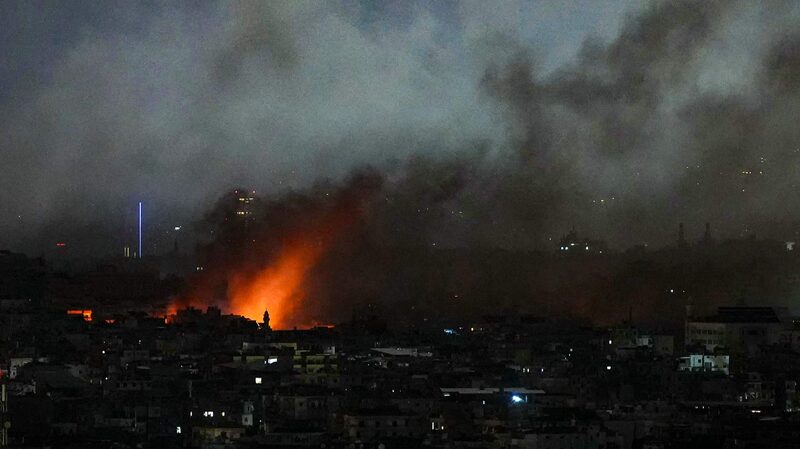
Global leaders and organizations intensified calls for an immediate ceasefire on March 3, 2026, as US-Israeli airstrikes in Iran entered their fourth day, triggering retaliatory missile launches and regional instability. Casualties have surged to at least 555 fatalities in Iran, 10 in Israel, and six US service members, according to recent reports.
Diplomatic Push Gains Momentum
UN Secretary-General António Guterres urged adherence to the UN Charter, emphasizing dialogue over violence. Chinese Foreign Minister Wang Yi echoed this during talks with Omani counterparts, stressing the need to halt military operations to prevent conflict spillover. Egyptian Foreign Minister Badr Abdelatty separately engaged eight Middle Eastern nations, warning against "total chaos" in the region.
Legal Condemnations and Regional Solidarity
Türkiye’s ruling AK Party condemned the strikes as "unlawful" and a breach of international law, while the Shanghai Cooperation Organization (SCO) reaffirmed its stance against unilateral force. Russian President Vladimir Putin criticized the attacks as violations of sovereignty during discussions with UAE leaders.
Western Allies Face Internal Divisions
Portugal’s government faced scrutiny over US military use of Lajes Air Base, with opposition parties demanding transparency. Spain’s Foreign Minister José Manuel Albares explicitly barred Spanish bases from supporting strikes, calling the intervention "unjustified." NATO Secretary General Mark Rutte clarified the alliance’s non-involvement, attributing actions to "individual allies."