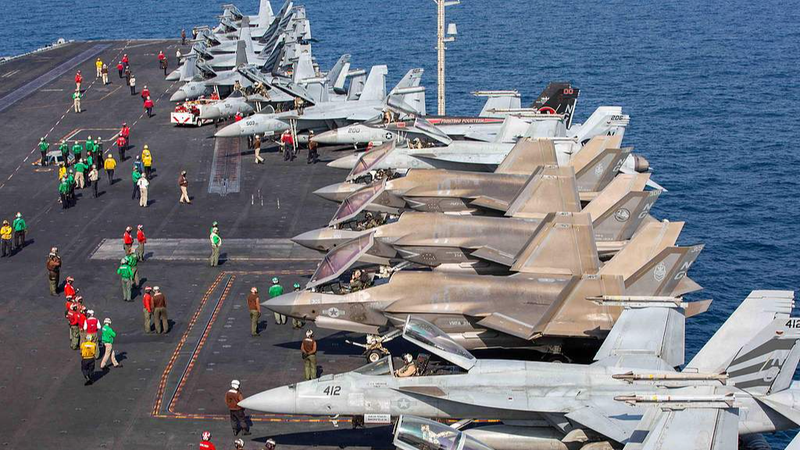
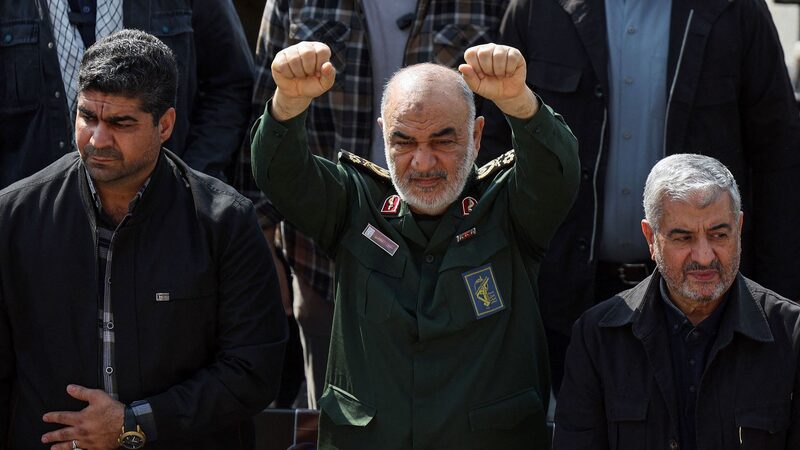
The joint U.S.-Israeli military strike on Iran on February 28, which resulted in the death of Iran's Supreme Leader Ayatollah Ali Khamenei, has ignited global condemnation and domestic scrutiny. Analysts warn the attack risks destabilizing the Middle East and undermining diplomatic efforts, while U.S. lawmakers question its strategic rationale.
International Condemnation Escalates
Countries worldwide criticized the strike as a violation of sovereignty, with experts highlighting risks of regional spillover. Galip Dalay of Chatham House warned of potential instability, migration surges, and armed group proliferation, urging renewed diplomacy to avoid a 'devastating war.' Zhou Dewu, former deputy editor-in-chief of Ta Kung Pao, called the operation a 'Pandora's box,' cautioning that retaliatory tactics could fuel extremism and accelerate global arms races.
Domestic Backlash in the U.S.
Domestically, the strike faces bipartisan criticism. A recent Reuters/Ipsos poll showed 43% of Americans disapprove, with protests erupting in major cities. Democratic Senator Tim Kaine labeled the action 'reckless,' while former Vice President Kamala Harris opposed 'regime change' efforts, calling the operation a 'war of choice.' Lawmakers expressed concerns over prolonged conflict, with Senator Chris Coons doubting airpower alone could achieve regime change.
As Iran's new leadership weighs its response, the international community braces for potential escalation, with analysts emphasizing the urgent need for multilateral dialogue to prevent further destabilization.