The military confrontation between the U.S., Israel, and Iran has entered its third day as of March 2, 2026, with retaliatory strikes expanding across the Middle East. What began as targeted operations has now drawn Gulf nations into a widening conflict, raising global concerns over regional stability and energy security.
February 28: Initial Strikes and Escalation
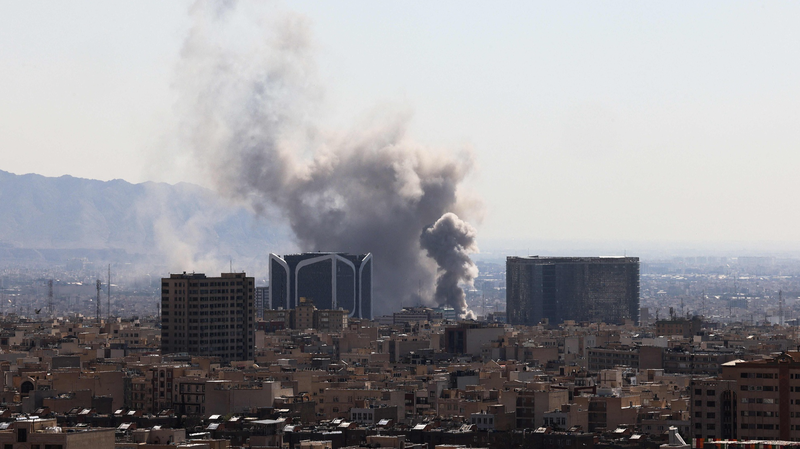
At 06:20 GMT, explosions rocked Tehran, followed by Israel’s confirmation of a preemptive strike targeting Iranian leadership and military infrastructure. Iran’s Islamic Revolutionary Guard Corps (IRGC) retaliated with missile and drone attacks on U.S. bases in Bahrain, Qatar, and other Gulf states, while a strike on a girls’ school in southern Iran killed 165 people, mostly children.
March 1: Leadership Crisis and Regional Fallout
Iran confirmed the death of Supreme Leader Ali Khamenei, triggering a political transition plan. The IRGC claimed hits on the USS Abraham Lincoln and three oil tankers in the Strait of Hormuz. U.S. President Donald Trump vowed to continue operations until objectives are met, acknowledging the first American casualties.
March 2: Conflict Spreads to Lebanon
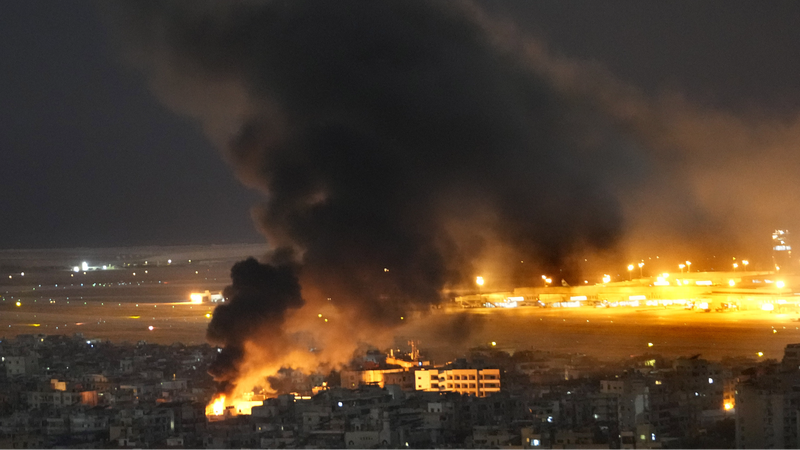
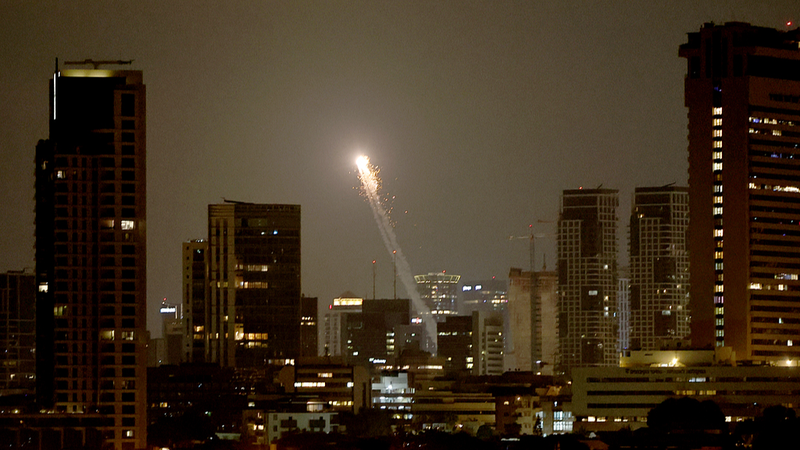
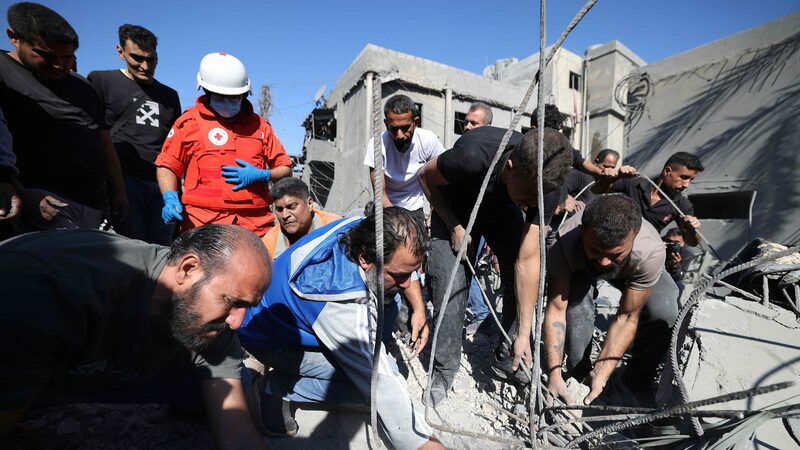
Israel launched strikes against Hezbollah in Lebanon, with retaliatory attacks reported in Haifa. An F-15 jet crash in Kuwait, claimed by Iran as a downing, added to the volatility. Lebanese health officials reported 31 deaths from Israeli airstrikes, underscoring the human toll.
As global markets brace for prolonged disruptions to oil shipments, analysts warn the conflict risks further destabilizing the region. Diplomatic efforts remain stalled, with no immediate path to de-escalation.