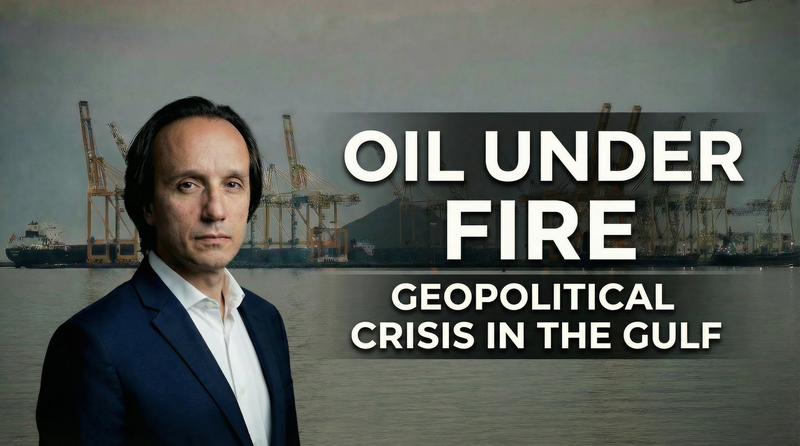
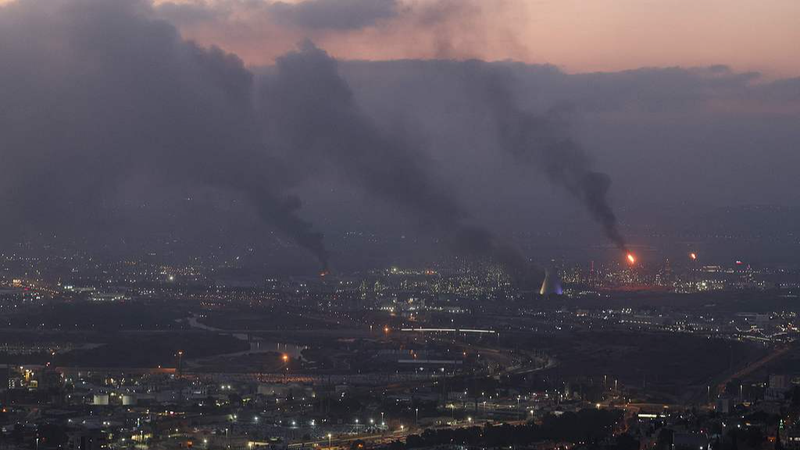
Escalating conflict in the Middle East has raised alarms over potential disruptions to oil shipments through the Strait of Hormuz, a critical chokepoint for nearly 20% of global crude supplies. With tensions intensifying in 2026, analysts caution that prolonged instability could trigger significant price volatility in energy markets.
Claudio Galimberti, chief economist at Oslo-based Rystad Energy, told KhabarAsia.com that while markets have shown "measured reactions" so far, the situation remains precarious. "The coming weeks will determine whether we see temporary supply shocks or a sustained price surge," he said, emphasizing the strait's role as a lifeline for Asian economies reliant on Middle Eastern oil.
The strategic waterway, bordered by Iran and Oman, serves as a primary export route for major producers like Saudi Arabia and Iraq. Any closure could force tankers to take longer alternative routes, increasing transportation costs and delivery times. This risk comes as global oil demand continues recovering in 2026, with Asian markets driving consumption growth.
Business leaders and investors are closely monitoring developments, particularly in manufacturing-heavy economies like Japan and South Korea. Meanwhile, analysts suggest energy importers might accelerate investments in renewable alternatives to mitigate long-term risks.