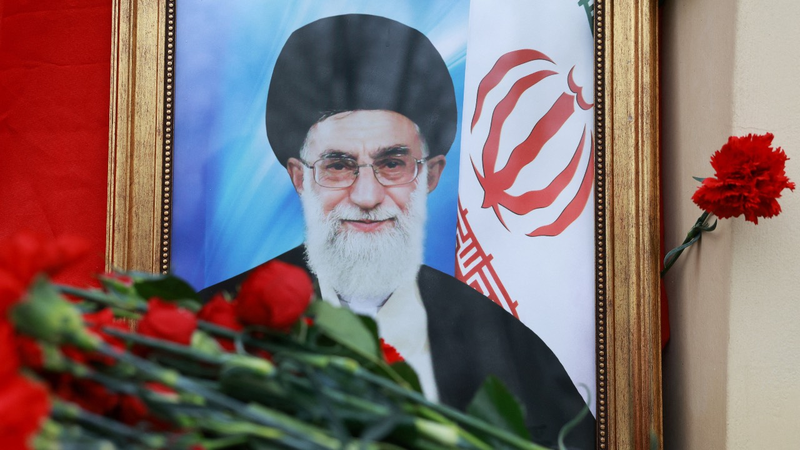
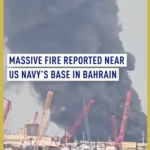
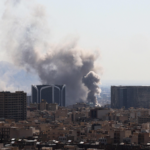
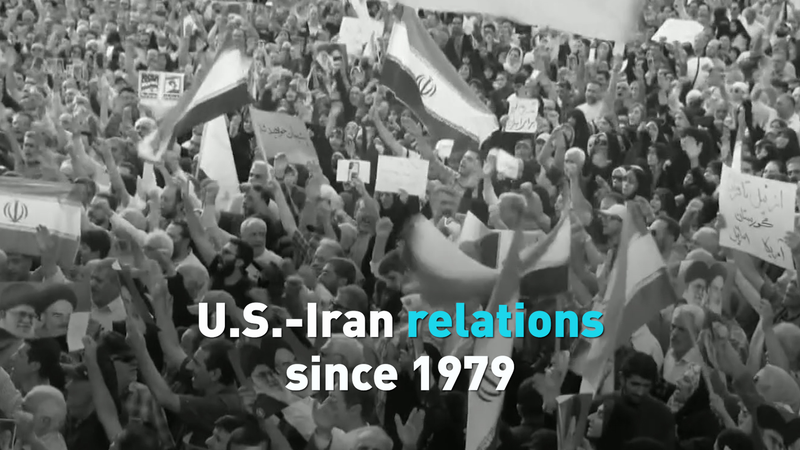
Iran's political system faces its most critical test since the 1979 revolution following the death of Supreme Leader Ayatollah Ali Khamenei. As regional tensions escalate with continued air strikes, constitutional mechanisms have been activated to maintain governance continuity through a three-member interim leadership council.
Constitutional Transition in Wartime
The temporary council comprising President Masoud Pezeshkian, Judiciary Chief Gholam-Hossein Mohseni-Ejei, and Guardian Council member Ayatollah Alireza Arafi now exercises formal leadership authority. However, operational control has effectively shifted to the National Security Council and Islamic Revolutionary Guard Corps (IRGC), which currently direct military operations and strategic decision-making.
Dual Governance Under Pressure
Iran's unique hybrid system – blending elected institutions with clerical oversight – remains structurally intact despite the leadership vacuum. The IRGC's expanded role in security matters reflects the immediate priorities of national defense, while civilian institutions focus on maintaining domestic stability.
Succession Timeline and Process
Constitutional provisions mandate the Assembly of Experts to select a new Supreme Leader within three months. This 88-member clerical body, last elected in 2024, now faces unprecedented challenges in fulfilling its constitutional duty amid active conflict conditions.
International relations expert Ibrahim Freyhardt notes: "The external threat environment could temporarily unify domestic factions, though long-term stability depends on balancing military needs with political legitimacy."