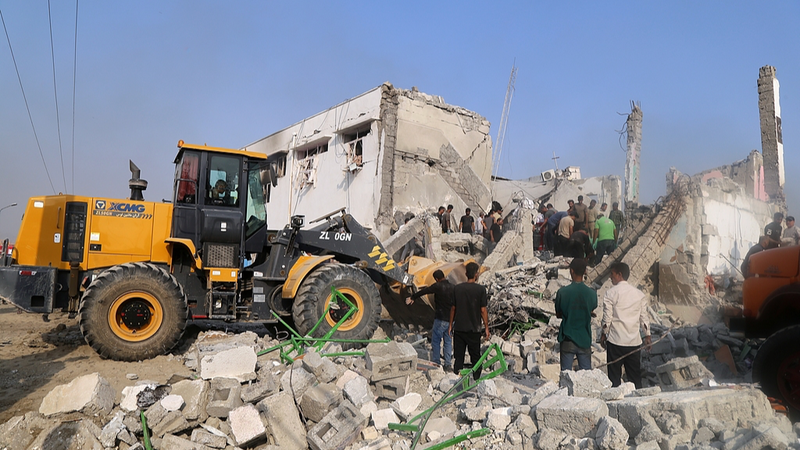
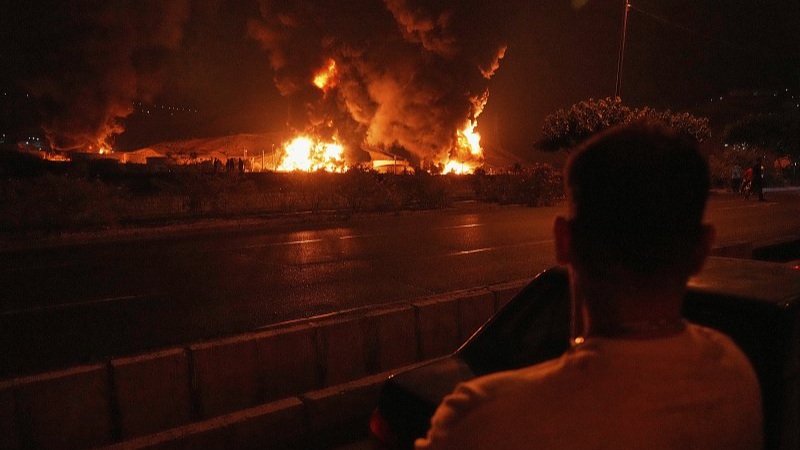
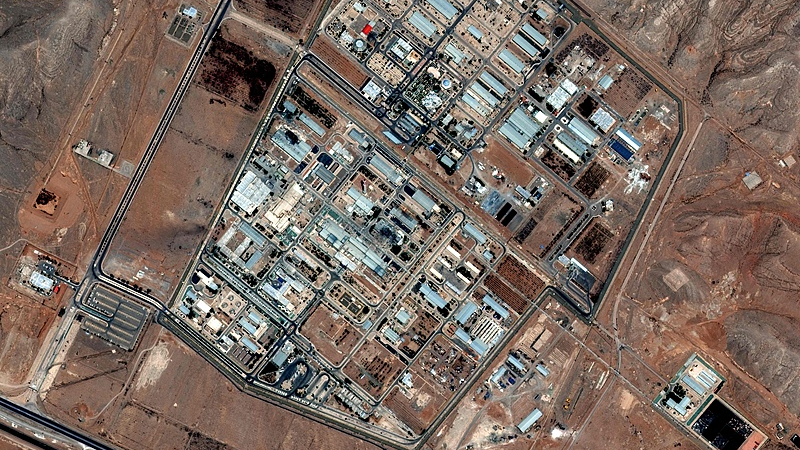
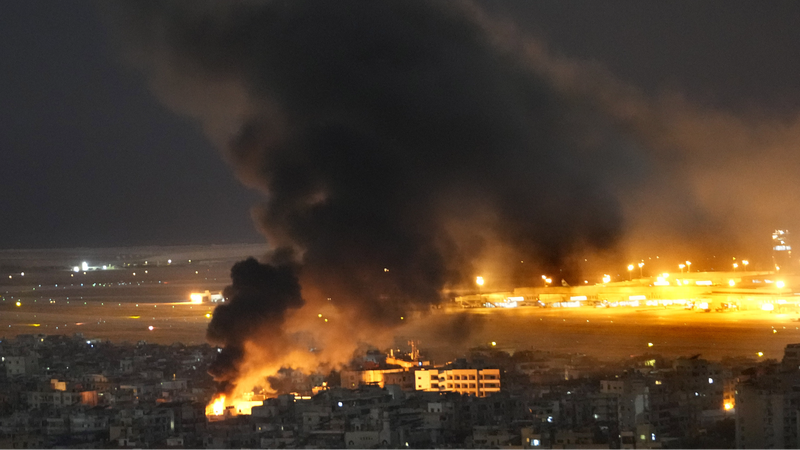
In a significant escalation of regional hostilities, the United States and Israel launched coordinated military strikes against Iran this week, disrupting fragile nuclear negotiations and heightening fears of prolonged conflict. The attacks, which targeted Iranian infrastructure, mark a sharp departure from Washington’s earlier emphasis on diplomatic engagement and align more closely with Israel’s hardline stance.
Strategic Divergence and Shared Objectives
While the U.S. and Israel share concerns over Iran’s nuclear ambitions, their approaches have long diverged. Washington had prioritized dialogue, seeking phased concessions through talks in Geneva and Oman. Israel, skeptical of Iran’s commitments, advocated for military deterrence. Recent policy shifts, however, reveal a convergence: both now employ a dual strategy of negotiation and pressure to compel Tehran’s compliance.
Domestic Politics Fuel Escalation
With midterm elections approaching in 2026, U.S. leaders face pressure to project strength on national security. Similarly, Israeli Prime Minister Benjamin Netanyahu seeks to consolidate support amid domestic challenges. Analysts suggest the strikes serve both geopolitical and electoral agendas, leveraging military action to bolster domestic credibility.
Regional Fallout and Global Implications
The attacks have shattered trust in U.S.-Iran dialogue, pushing relations toward structural hostility. Regional allies like Saudi Arabia and Qatar oppose further escalation, fearing destabilization. Retaliatory measures by Iran—including potential strikes on U.S. bases or Israeli targets—could trigger a security spiral, disrupting global energy markets and investment flows. Experts warn of cascading economic shocks if hostilities intensify.
A Precarious Path Forward
As diplomatic channels collapse, the Middle East faces renewed polarization. Wang Jin, a strategic studies expert at Northwest University, notes: "This escalation risks entrenching regional divisions, with repercussions extending far beyond military spheres." With Iran’s response pending, the international community braces for broader repercussions in 2026.