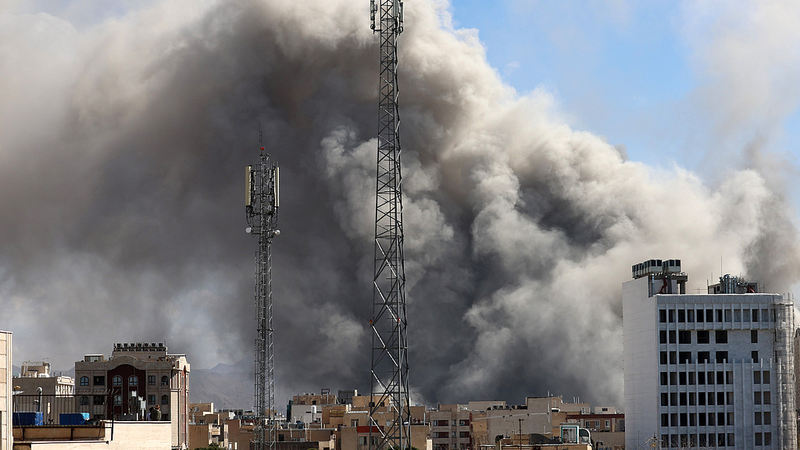
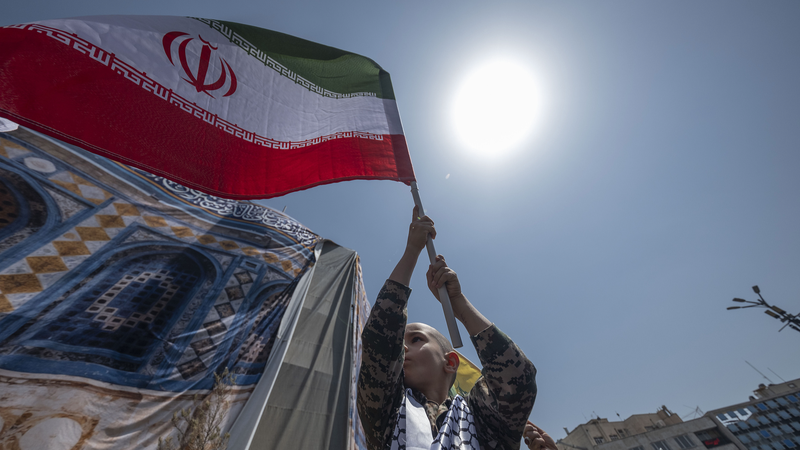
The killing of Iran's Supreme Leader Ayatollah Ali Khamenei during a coordinated U.S.-Israel military operation has drawn sharp warnings from geopolitical analysts about escalating global instability. Zhou Dewu, a veteran observer of U.S. foreign policy, cautioned that the March 2026 attack establishes a perilous new paradigm in international relations.
"This unprecedented use of advanced information warfare capabilities against sovereign states creates a chilling effect worldwide," Zhou told state media, referencing both the Iranian operation and last year's detention of Venezuelan President Nicolas Maduro. Analysts suggest these actions could signal Washington's intent to extend similar strategies to Cuba and Northeast Asia.
The military escalation has raised concerns about potential domino effects across multiple regions. Zhou warned that smaller nations might now prioritize military buildup over diplomacy: "With limited international mechanisms to restrain major powers, we risk entering a new arms race era."
Security experts note the operation's timing coincides with heightened tensions in the Taiwan Strait and the South China Sea, though Chinese officials maintain their commitment to peaceful resolution of disputes. The incident has sparked urgent debates at UN headquarters about updating frameworks for digital-era conflict resolution.