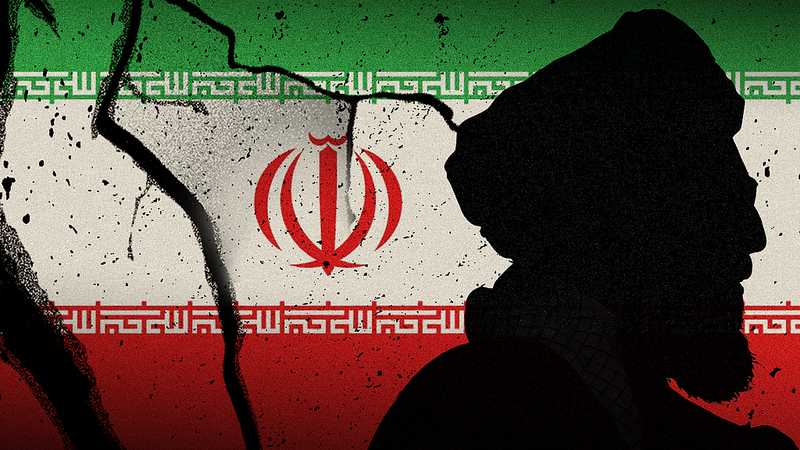
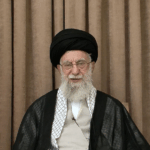
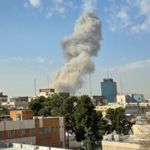
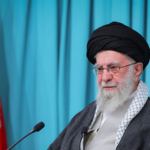
The death of Iran's Supreme Leader Ayatollah Ali Khamenei on February 28, 2026, has thrust the Islamic Republic into uncharted territory. As global observers assess potential ripple effects, experts emphasize Iran's political institutions are likely to maintain stability despite the monumental transition.
Political Transition: Stability or Upheaval?
A temporary leadership council comprising Iran's president, judiciary chief, and a Guardian Council jurist has assumed interim responsibilities. Analysts suggest the formal succession process through the Assembly of Experts might face procedural delays given current regional tensions.
Mehdi Latifi of Ana News Agency noted: "Khamenei's cross-generational influence leaves a vacuum no single figure can immediately fill. However, the system he helped build remains resilient." Northwest University's Wang Jin highlighted historical precedent: "Like Khomeini's succession, any private designation by Khamenei would likely guide the Assembly's final decision."
Military Escalation Risks and Constraints
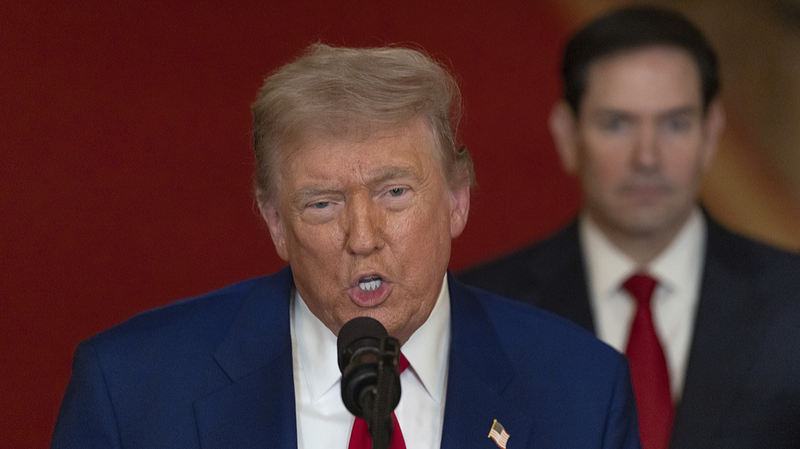
While retaliation against U.S. naval assets in the Arabian Sea appears probable, Chinese Academy of Social Sciences researcher Tang Zhichao cautioned: "Airstrikes alone cannot force Iranian capitulation. Prolonged conflict risks hardening Tehran's stance and destabilizing the region."
China Institute of International Studies analyst Su Xiaohui observed: "Washington's reluctance for ground deployment and Tehran's limited capacity for decisive strikes create mutual deterrence. This crisis may test diplomatic channels more than military ones."
As global markets monitor energy security implications, Shaoxing University's Fan Hongda warned: "Leadership uncertainty could temporarily disrupt Iran's oil exports, but systemic collapse remains unlikely. Regional partners will prioritize containing spillover effects."