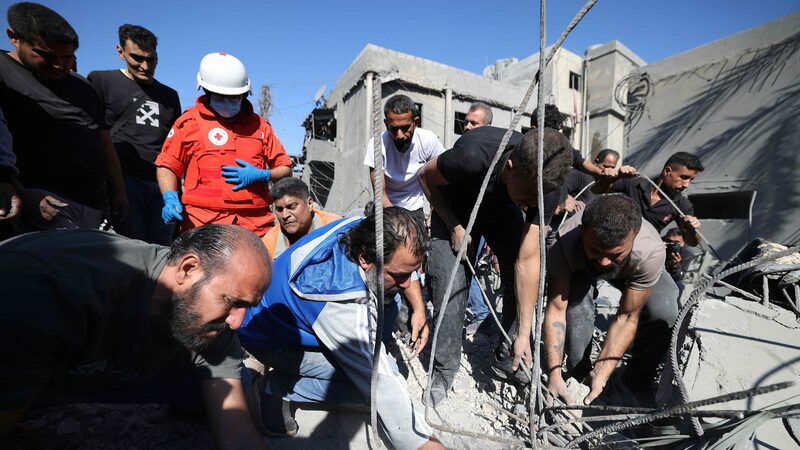
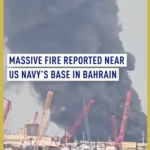
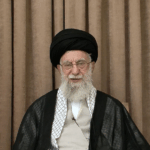
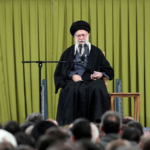
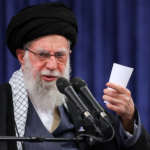
As Iran grapples with the aftermath of a devastating strike that killed Supreme Leader Ali Khamenei and 40 senior officials, regional stability hangs in the balance. Mehdi Latifi, editor-in-chief of Ana News Agency, provides exclusive insights into Tehran's political landscape and the strategic closure of the Strait of Hormuz.
Leadership Transition in Flux
Latifi notes the unprecedented challenge of replacing Khamenei, who held power for nearly five decades. While Iran's Assembly of Experts prepares to activate constitutional succession protocols, analysts warn no contemporary figure commands comparable cross-factional authority. The leadership vacuum coincides with heightened public anxiety about economic stability and potential conflict escalation.
Strategic Calculus Behind Hormuz Closure
The temporary shutdown of the world's most critical oil transit chokepoint serves dual purposes, according to Latifi: demonstrating retaliatory capacity while pressuring global powers through economic leverage. With 30% of seaborne oil shipments affected, the move has already caused Brent crude prices to spike 18% this week.
Public Sentiment: Grief and Anger
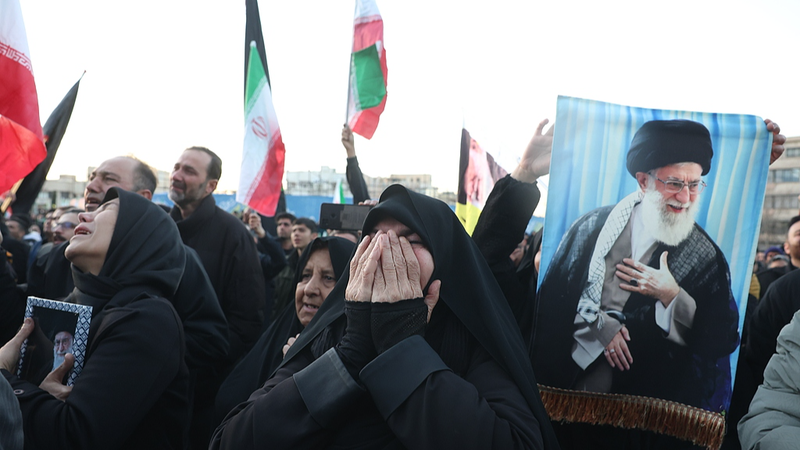
Mass mourning processions continue across major cities, with social media platforms flooded with tributes to Khamenei. However, Latifi observes growing concerns about prolonged economic sanctions and military confrontation. Many citizens reportedly stockpile essentials as the government declares a 40-day national mourning period.
Regional Implications
The crisis threatens to destabilize Middle Eastern security architectures, with neighboring states enhancing military readiness. Latifi warns that Iran's response could redefine power dynamics in conflicts from Yemen to Syria, while global markets brace for extended energy supply disruptions.