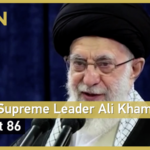
The Islamic Republic of Iran confronts its most significant governance challenge since 1979 following the death of Supreme Leader Ali Khamenei in targeted strikes on February 28. The unprecedented attack, attributed to joint U.S.-Israeli operations, has ignited regional tensions and exposed critical questions about succession mechanisms within Iran's unique political-religious framework.
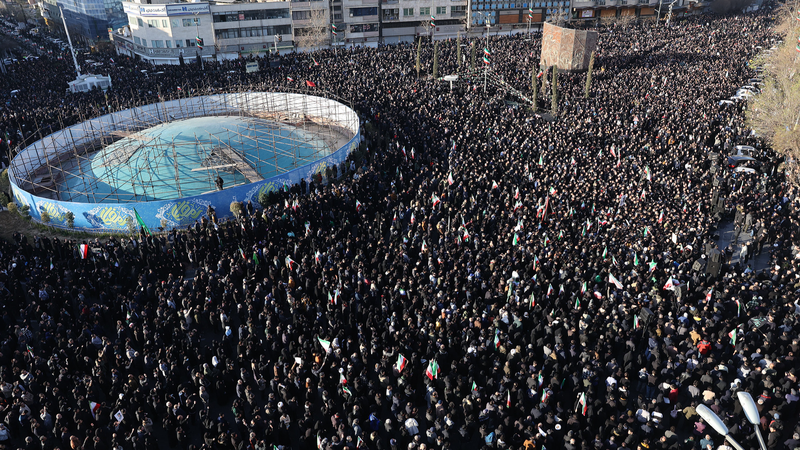
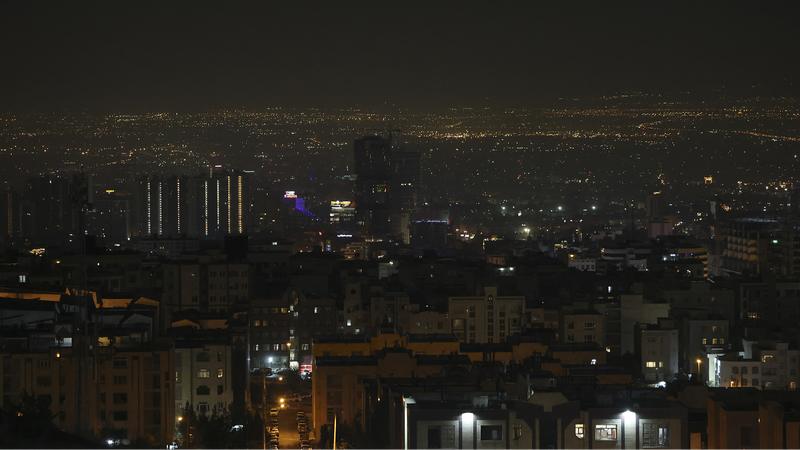
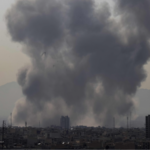
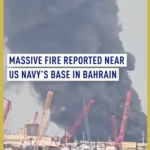
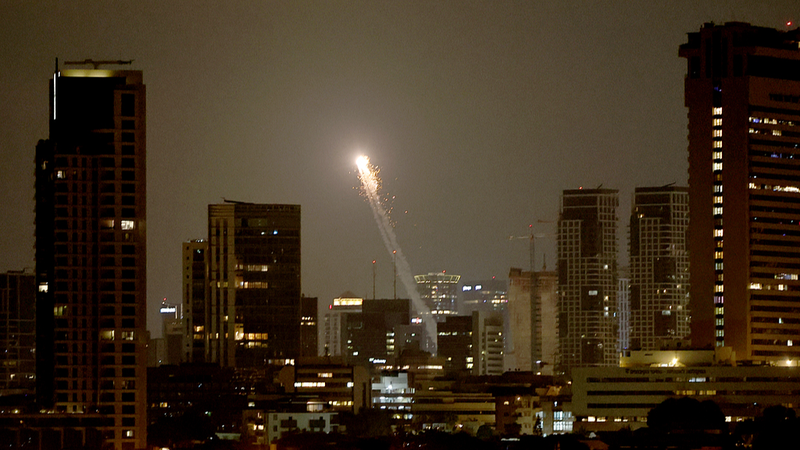
State media confirmed Khamenei's death during coordinated strikes targeting key government facilities in Tehran, prompting immediate retaliation through missile and drone attacks against Israeli positions and U.S. bases across the Middle East. The nation has declared 40 days of mourning while security forces remain on high alert.
Interim Leadership Structure Activated
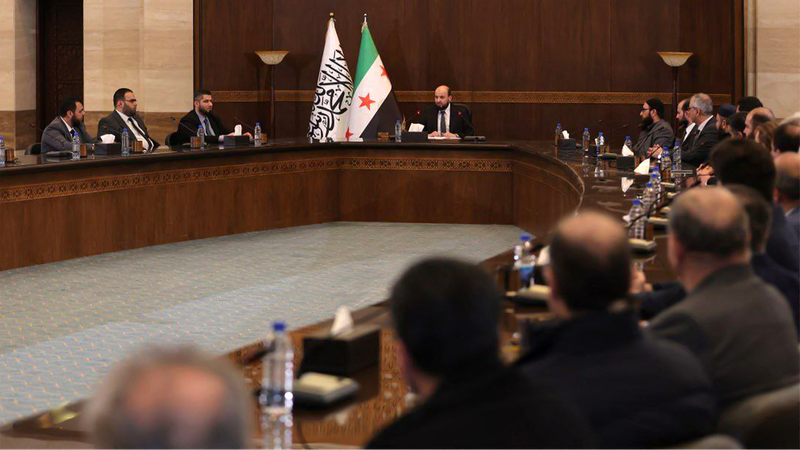
A transitional council comprising President Masoud Pezeshkian, judiciary chief Gholamhossein Mohseni-Ejei, and Guardian Council representatives has assumed temporary authority. This constitutional failsafe mechanism aims to maintain continuity until the 88-member Assembly of Experts selects a new Supreme Leader – a process that could take months given the lack of clear succession consensus.
Institutional Resilience Under Scrutiny
Despite the leadership vacuum, core institutions like the Islamic Revolutionary Guard Corps (IRGC) under new commander Ahmad Vahidi continue operational control. Analysts note the Guardian Council's swift involvement in transitional governance demonstrates the system's built-in crisis management protocols, though questions persist about long-term stability.
Global markets reacted cautiously to the developments, with oil prices climbing 4.2% in early March 2026 as regional tensions escalated. Business leaders await clarity on how leadership changes might affect Iran's nuclear negotiations and economic policies.