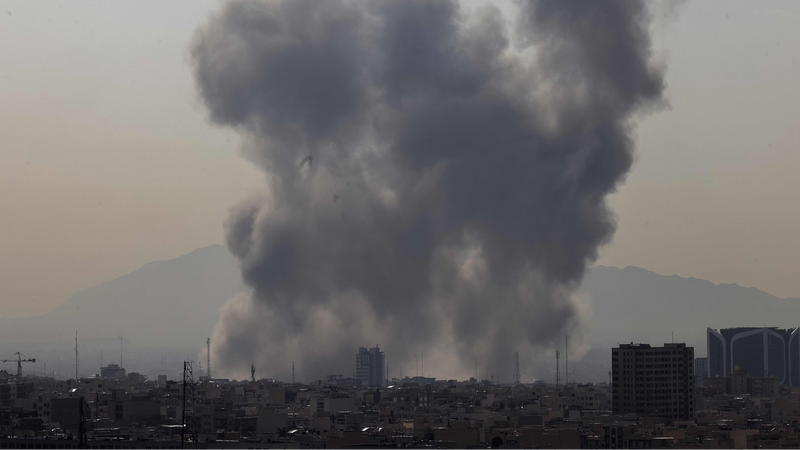
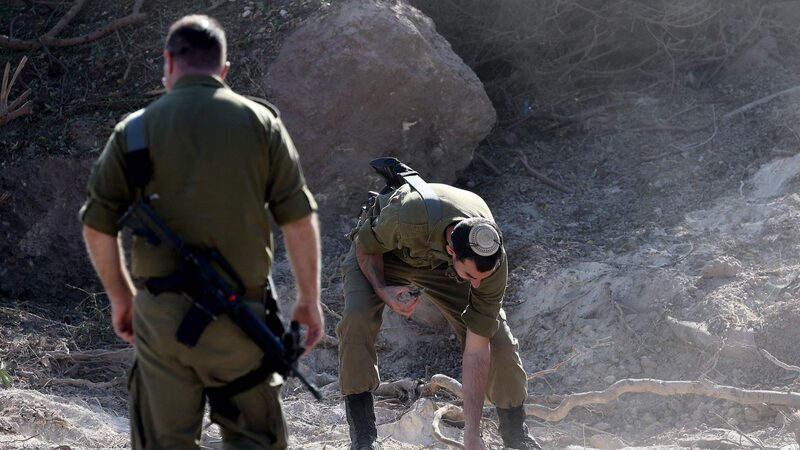
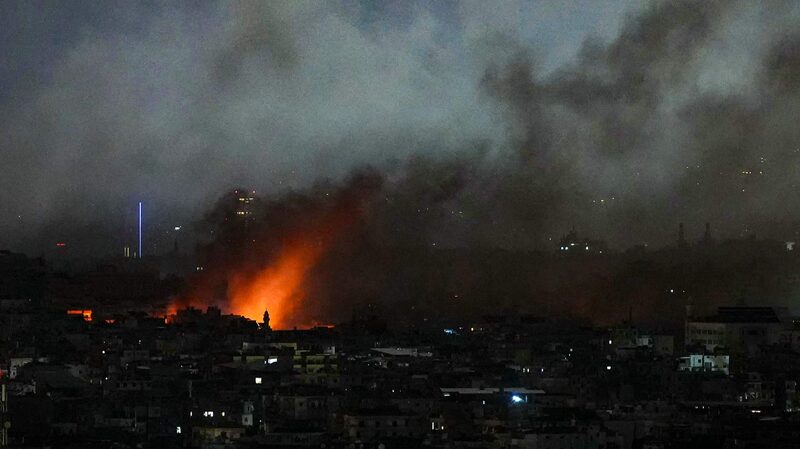
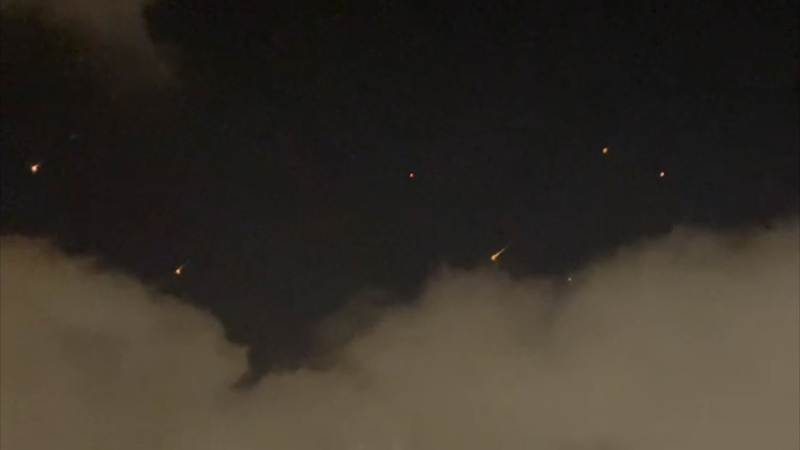
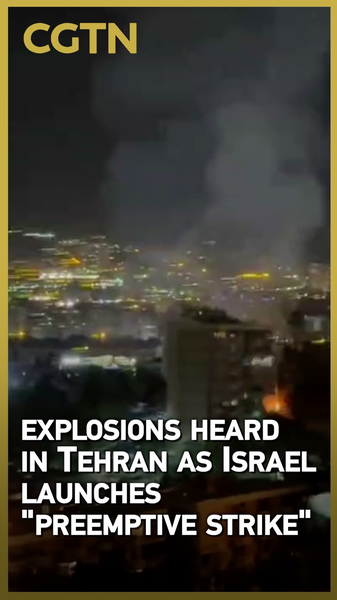
Escalating military actions between the U.S., Israel, and Iran have pushed Middle East tensions to unprecedented levels following coordinated strikes and retaliatory attacks this week. The conflict, which began with a joint U.S.-Israel operation targeting Iranian facilities on February 28, 2026, has triggered a wave of missile and drone counterattacks from Tehran, raising fears of a broader regional crisis.
Immediate Fallout and Regional Impact
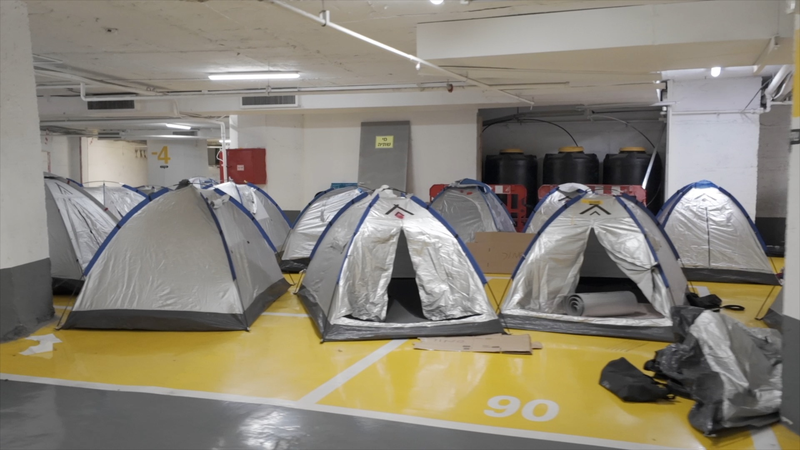
Iran's Islamic Revolutionary Guard Corps confirmed retaliatory strikes against Israel hours after the initial offensive, with explosions reported in Tel Aviv and Haifa. Gulf states including Kuwait and Qatar also reported suspected attacks, while Israel declared a nationwide state of emergency, closed airspace, and urged civilians to remain near shelters. Iranian officials warned that "all U.S. interests" remain vulnerable to further retaliation.
Diplomatic Efforts Preceding the Conflict
The strikes followed weeks of failed nuclear negotiations in Geneva, where U.S. President Donald Trump had demanded stricter limits on Iran's uranium enrichment programs. Despite reported progress, talks collapsed after Trump's 15-day deadline passed, with the U.S. president citing "imminent threats" from Iranian leadership as justification for military action. Iran maintains its nuclear program remains peaceful.
Escalating Rhetoric and Security Posture
Israeli Prime Minister Benjamin Netanyahu described the pre-emptive strikes as necessary to counter "existential threats," while Trump reiterated his administration's focus on "protecting American security." Tehran has vowed to continue retaliatory measures "without red lines," with regional analysts warning the conflict could destabilize critical oil shipping routes and global energy markets.
Regional Stability in Question
As of February 28, military forces across the Middle East remain on high alert, with the U.N. Security Council convening an emergency session. The crisis presents immediate challenges for global markets, particularly in energy and defense sectors, while raising urgent humanitarian concerns for civilians in conflict zones.